
Tree Cabling and Bracing for Hurricane Season Aftercare in Houston
October in Houston can feel like a turning point. The worst of the summer heat is beginning to ease, Gulf storms may still be a concern, and the first stronger cool fronts can bring gusty winds, heavy rain, and sudden shifts in soil moisture. For homeowners with mature live oaks, pecans, elms, pines, and other large shade trees, this is one of the most important times of year to inspect storm-stressed limbs and consider whether tree cabling and bracing can help reduce future risk.
At ArborTrue, we help Houston property owners care for valuable trees before and after severe weather. Cabling and bracing are not “set it and forget it” solutions, but when properly installed and monitored, they can provide supplemental support to weak branch unions, heavy limbs, split trunks, and trees that have been strained by hurricane-force winds.
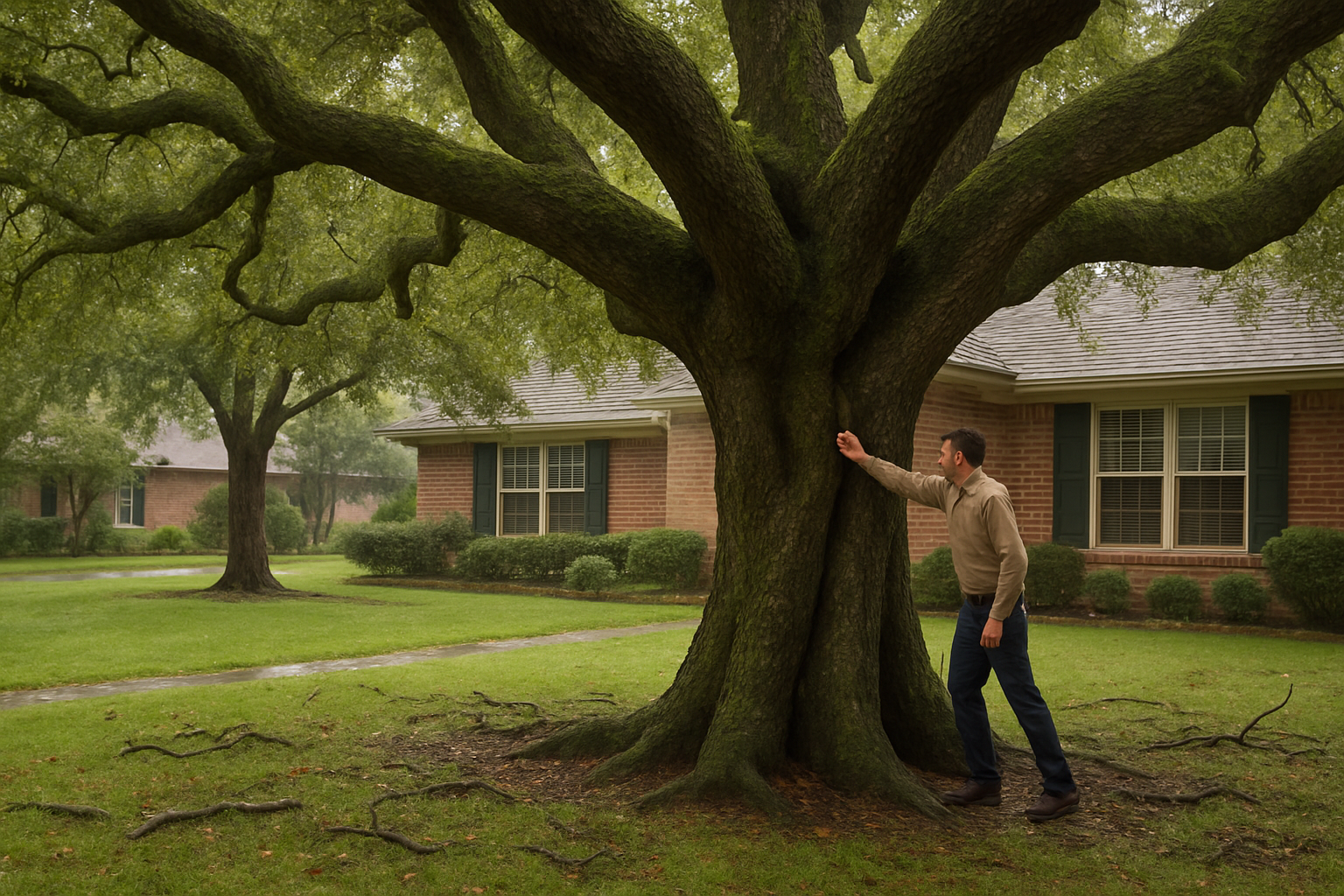
Why October Tree Aftercare Matters in Houston
Even when a hurricane or tropical storm does not make a direct hit, Houston trees can take a beating. Extended rain can saturate clay soils, strong wind can twist canopies, and broken branches may hang unnoticed high above roofs, driveways, and walkways. By October, many homeowners begin spotting issues that were not obvious immediately after the storm.
Common post-storm tree concerns we see in Houston include:
- Cracks forming where large limbs meet the trunk
- Co-dominant stems pulling apart after high winds
- Heavy limbs sagging lower than before
- Fresh bark separation or splitting near a branch union
- Leaning trees in saturated soil
- Dead, broken, or hanging branches left behind after storm activity
October weather can make these issues more urgent. Cooler fronts can bring wind gusts from different directions than tropical systems, putting new stress on already weakened trees. If your tree looked “a little off” after a storm, now is the time to schedule an evaluation before winter storms and next year’s hurricane season.
Key Takeaways:
- Inspect mature trees in October for cracks, leaning, sagging limbs, and storm-related canopy damage.
- Tree cabling and bracing can help support weak unions and heavy limbs, but they must be installed by trained professionals.
- Aftercare matters: cables, braces, and supported limbs should be rechecked regularly, especially after strong wind events.
- Call ArborTrue for a professional assessment before removing a valuable tree that may be a candidate for structural support.
What Is Tree Cabling and Bracing?
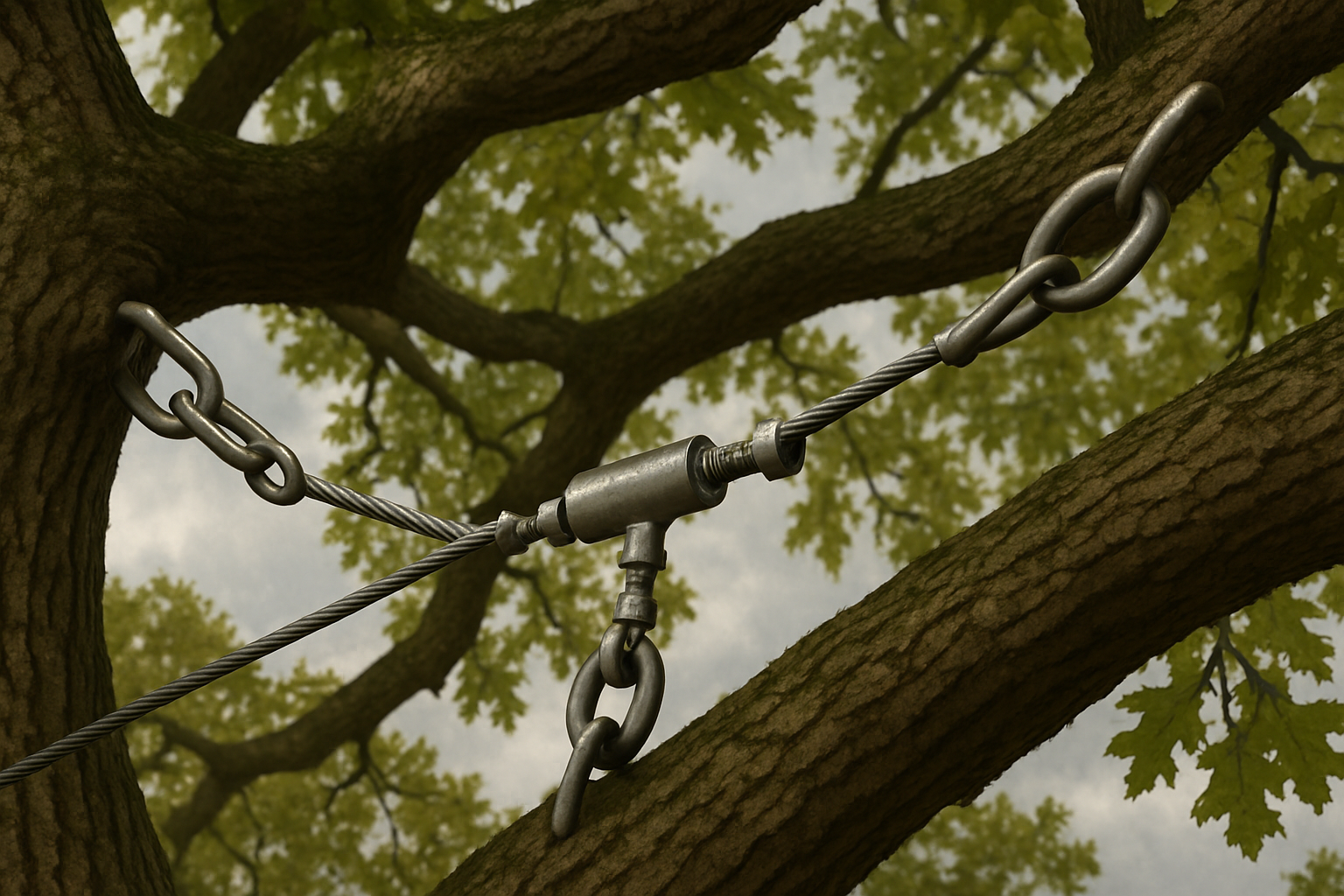
Tree cabling involves installing high-strength support cables between major limbs or stems to help limit excessive movement during wind events. The cable does not hold the tree rigidly in place. Instead, it helps reduce the chance of a weak branch union pulling apart under stress.
Tree bracing typically involves installing threaded steel rods through split or weak sections of a trunk or large limb union. Bracing is often used when there is already a crack or when a structural defect needs extra reinforcement.
In many cases, cabling and bracing are used together. The goal is not to “fix” a tree permanently or make it storm-proof. The goal is to provide supplemental support while preserving a tree that still has good health, strong value, and a reasonable chance of long-term success.
“After Hurricane season, ArborTrue found a split in our oak that we never would have noticed from the ground. They explained our options clearly and installed a support system that helped us feel much better heading into the next round of storms.”
— Memorial-area homeowner in Houston, TX
When a Houston Tree May Need Cabling or Bracing
Not every tree needs structural support, and not every damaged tree can be saved. A professional inspection is the only way to determine whether cabling and bracing are appropriate. That said, there are several signs homeowners can watch for.
- V-shaped branch unions: Narrow unions are often weaker than wide, U-shaped connections.
- Co-dominant stems: Two main trunks growing closely together can split during high winds.
- Large overextended limbs: Long, heavy limbs over roofs, fences, pools, or driveways may need risk reduction.
- Visible cracks: Cracking in the trunk or limb union is a serious warning sign.
- History of limb failure: If the tree has already lost major limbs, remaining limbs should be inspected.
In Houston, we often evaluate large live oaks and pecans for these concerns. These trees are beautiful and valuable, but their wide-spreading canopies can catch significant wind during tropical weather. Proper pruning, weight reduction, and structural support may help reduce the likelihood of future storm damage.
Hurricane Season Aftercare: What Happens After Installation?
Installing a cable or brace is only part of the process. Tree support systems require aftercare and periodic inspection. Trees continue to grow, storms continue to happen, and hardware can shift, loosen, or become less effective over time if ignored.
After cabling and bracing, ArborTrue typically recommends:
- Annual inspections of supported trees
- Additional inspections after major wind events or tropical storms
- Selective pruning to reduce unnecessary canopy weight
- Monitoring cracks, included bark, and limb movement
- Checking hardware for proper tension, wear, or tree growth conflicts
October is an ideal time for this kind of follow-up. The tree has just been through Houston’s most stressful summer weather, and the cooler season ahead gives us a chance to assess structure before the next growing season. If pruning is needed, we can often create a plan that supports both tree health and property safety.
Why DIY Tree Cabling Is Risky
Tree cabling may look simple from the ground, but improper installation can do more harm than good. Hardware installed in the wrong location, cables pulled too tight, or supports added to a tree that should have been removed can increase risk rather than reduce it.
DIY cabling can also create hazards for the person attempting the work. Climbing large trees, drilling into limbs, and working near roofs or utility lines should never be taken lightly. A qualified tree care professional understands tree biology, load distribution, defect assessment, and proper installation standards.
At ArborTrue, we look at the whole tree, not just the obvious crack or heavy limb. We evaluate canopy balance, root zone conditions, decay indicators, soil saturation, storm exposure, and nearby targets such as homes, garages, sidewalks, and play areas.
Tree Cabling vs. Tree Removal: Which Is Right?
One of the biggest questions Houston homeowners ask us is whether a damaged tree can be saved. The honest answer is: it depends. Our goal is never to remove a tree unnecessarily, especially when it provides shade, beauty, habitat, and property value. However, safety comes first.
Cabling and bracing may be a good option when the tree is otherwise healthy, the defect is manageable, and the support system can reasonably reduce movement or failure potential. Removal may be the better choice when there is extensive decay, severe root damage, major trunk failure, or a high likelihood of collapse.
ArborTrue provides straightforward recommendations. If support is appropriate, we will explain why. If removal is the safer decision, we will explain that too. Our customers appreciate that we are focused on long-term tree care, not quick fixes.
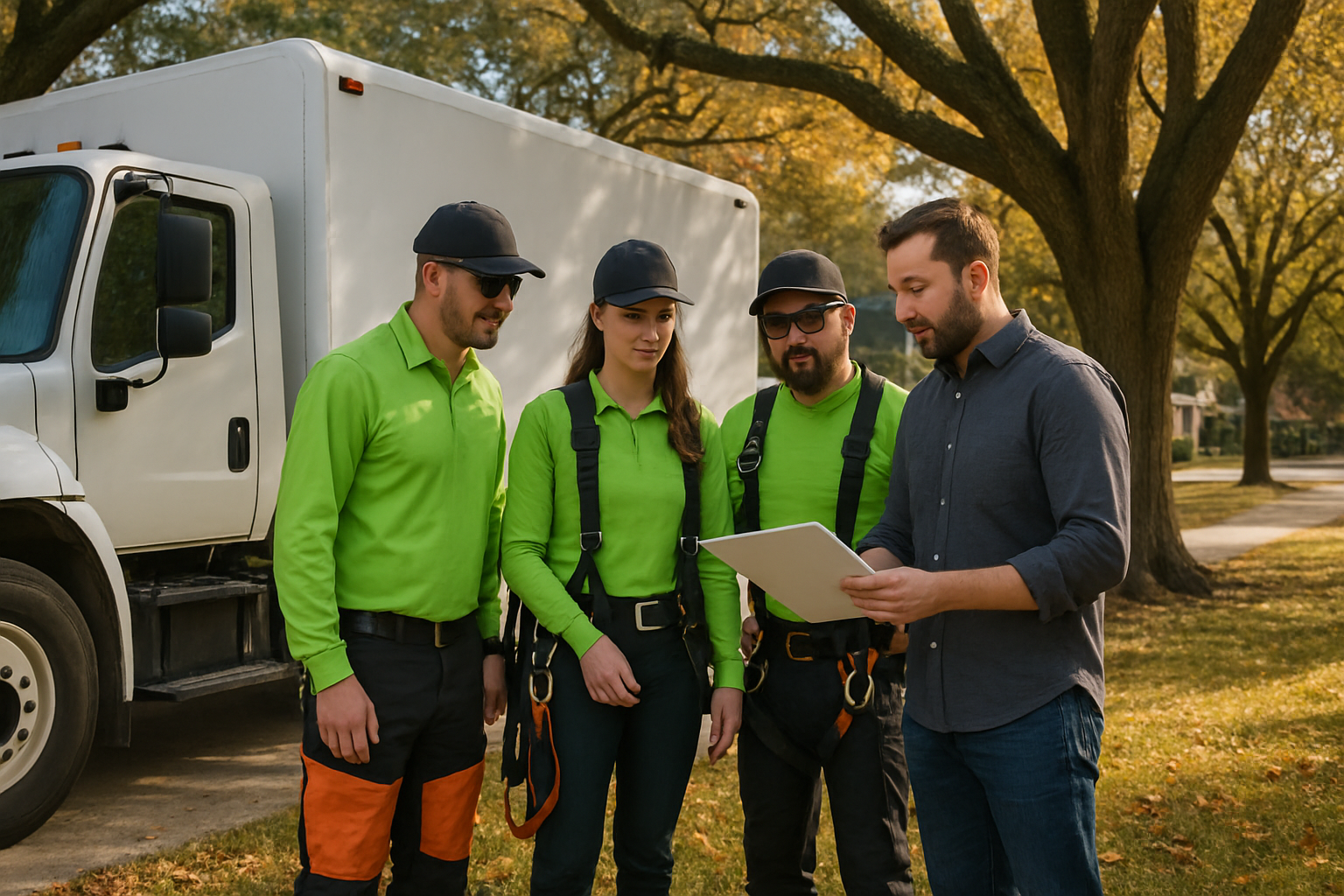
Why Choose ArborTrue for Tree Cabling and Bracing in Houston?
As a Houston-based tree care company, ArborTrue understands the specific weather patterns, soil conditions, and tree species that affect local properties. Our trees do not grow in a textbook environment. They grow in Gulf Coast humidity, compacted urban soils, sudden downpours, drought stress, and hurricane-season wind.
When you choose ArborTrue, you get a team that values:
- Local experience: We understand how Houston storms affect mature shade trees.
- Honest assessments: We recommend cabling, bracing, pruning, or removal based on what the tree actually needs.
- Professional installation: Proper hardware placement and technique matter for performance and tree health.
- Aftercare planning: We help you understand when to recheck supported trees and what warning signs to watch for.
- Respect for your property: We work carefully around homes, fences, landscapes, driveways, and outdoor living spaces.
We know many Houston homeowners have emotional connections to their trees. Maybe your oak shades the front porch, your pecan has been in the family for decades, or your backyard tree is the centerpiece of your outdoor space. Our job is to help you make informed decisions that balance preservation, safety, and long-term value.
Schedule Your October Tree Inspection
If your tree was stressed during hurricane season, do not wait until the next storm is in the forecast. October is a smart time to schedule a professional inspection, especially if you have noticed cracks, leaning, sagging limbs, or broken branches. A proactive evaluation can help identify problems early and determine whether tree cabling and bracing may be the right solution.
ArborTrue is here to help Houston homeowners protect their trees and their properties with knowledgeable, practical, and honest tree care. Contact us today to schedule your tree cabling and bracing assessment and head into the cooler season with greater confidence.

