How To Reduce The Risk Of Falling Limbs Around Your Property
How to Reduce the Risk of Falling Limbs Around Your Houston Property This October
October in Houston is a welcome shift. The worst of the summer heat starts to ease, evenings feel a little more comfortable, and many homeowners finally get back outside to enjoy their yards. But October is also a smart time to take a closer look at your trees. After months of Gulf Coast heat, drought stress, heavy summer storms, and sudden downpours, limbs can weaken in ways that are not always obvious from the ground.
At ArborTrue, we work with Houston homeowners who want beautiful, healthy trees without the worry of falling branches over driveways, roofs, fences, play areas, or power lines. While no tree can ever be made completely “storm-proof,” proactive tree care can greatly reduce the risk of limb failure and help protect your property before the next cold front, thunderstorm, or windy fall weather system moves through.
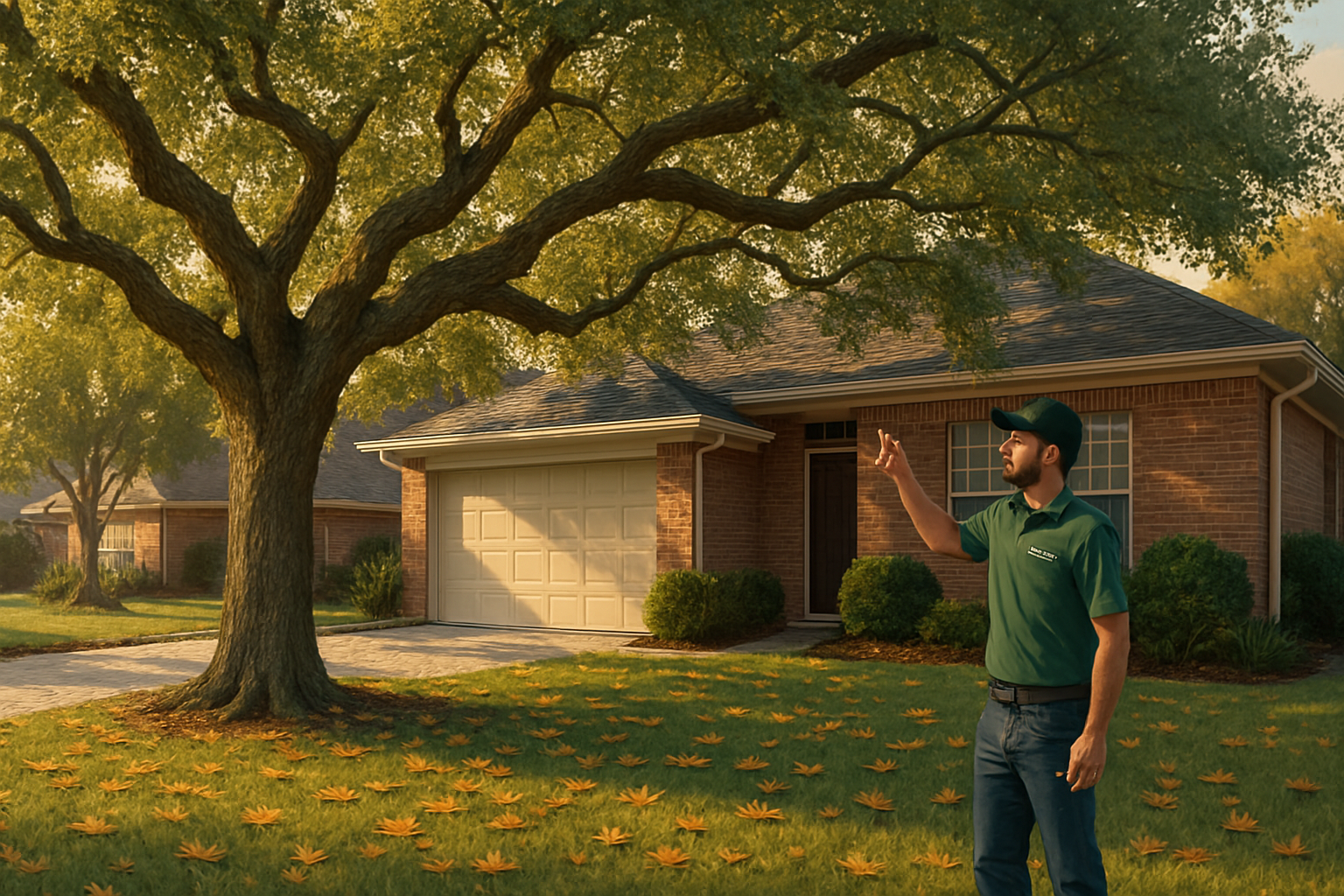
Key Takeaways:
- Inspect your trees in October for dead limbs, cracks, hanging branches, and storm damage left behind from summer weather.
- Schedule professional pruning before weak limbs become a hazard over roofs, cars, patios, walkways, or utility areas.
- Watch for signs of tree stress common in Houston, including drought damage, fungal growth, decay, and sudden leaf drop.
- Choose a qualified local tree care company that understands Houston’s climate, soil, storm patterns, and tree species.
Why Falling Limbs Are a Bigger Concern in Houston During October
Houston trees go through a lot before October arrives. Our long growing season, high humidity, clay soils, intense summer heat, tropical moisture, and occasional severe storms can all contribute to hidden stress. By fall, some branches may be weakened even if the tree still looks green and full.
October can also bring quick weather changes. One week may feel warm and humid, while the next may bring a strong front with gusty winds and heavy rain. These conditions can expose weak attachments, deadwood, or overextended limbs that have been quietly declining all summer.
Common October-related tree risks in the Houston area include:
- Dead or brittle limbs caused by summer heat stress or drought conditions.
- Cracked branches from previous storms that may finally fail during windy weather.
- Heavy canopies that catch wind and put added pressure on weak branch unions.
- Fungal decay that spreads in Houston’s humid conditions and weakens wood from the inside.
- Low-hanging limbs over roofs, vehicles, sidewalks, fences, and outdoor living areas.
Start With a Ground-Level Tree Inspection
You do not have to climb a tree to notice potential warning signs. In fact, you should not climb a tree or attempt to inspect high limbs yourself. A simple visual check from the ground can help you decide when it is time to call a professional.
Walk around your property and look carefully at trees near your home, garage, driveway, patio, pool, children’s play area, and street. Pay special attention to large trees such as live oaks, water oaks, pecans, pines, elms, and other common Houston-area species.
Look for these warning signs:
- Dead branches with no leaves while the rest of the tree is still green.
- Limbs hanging lower than usual or resting on other branches.
- Cracks, splits, or peeling bark on large limbs.
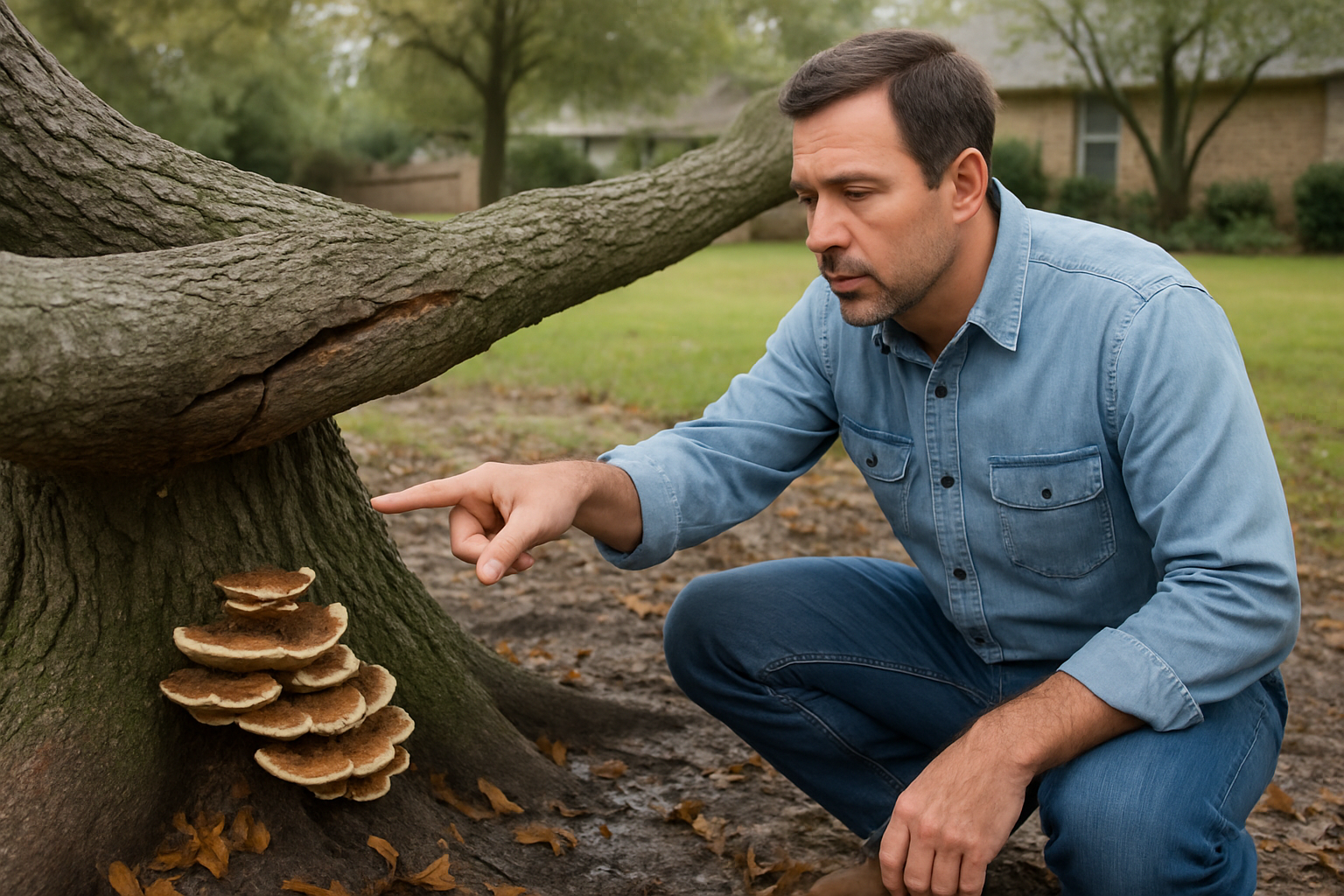
- Mushrooms or fungal growth near the trunk, roots, or branch unions.
- Branches touching the roof, gutters, siding, or utility lines.
- Sawdust, cavities, holes, or signs of insect activity.
- Large limbs extending too far from the trunk without proper structure.
If you see any of these issues, it is best to have the tree evaluated before the next round of windy weather. A limb that looks “fine for now” can become a serious hazard once rain adds weight or gusts begin moving the canopy.
Pruning Is One of the Best Ways to Reduce Limb Failure
Proper pruning is more than making a tree look neat. It is a safety-focused service that improves structure, removes hazardous wood, and helps the tree distribute weight more effectively. For Houston properties, October is often a practical time to address problem limbs because homeowners are spending more time outside and preparing their yards for the cooler months.
Professional pruning may include removing deadwood, reducing excessive end weight, clearing limbs away from structures, improving canopy balance, and correcting weak or crowded branch growth. The goal is not to over-prune or “top” the tree. In fact, improper cutting can make a tree more dangerous by encouraging weak regrowth and creating large wounds.
“After a summer storm cracked a limb over our driveway, ArborTrue came out, explained what needed to be removed, and helped us feel confident that our oak was safer without being over-cut.”
— Local ArborTrue customer in Houston, TX
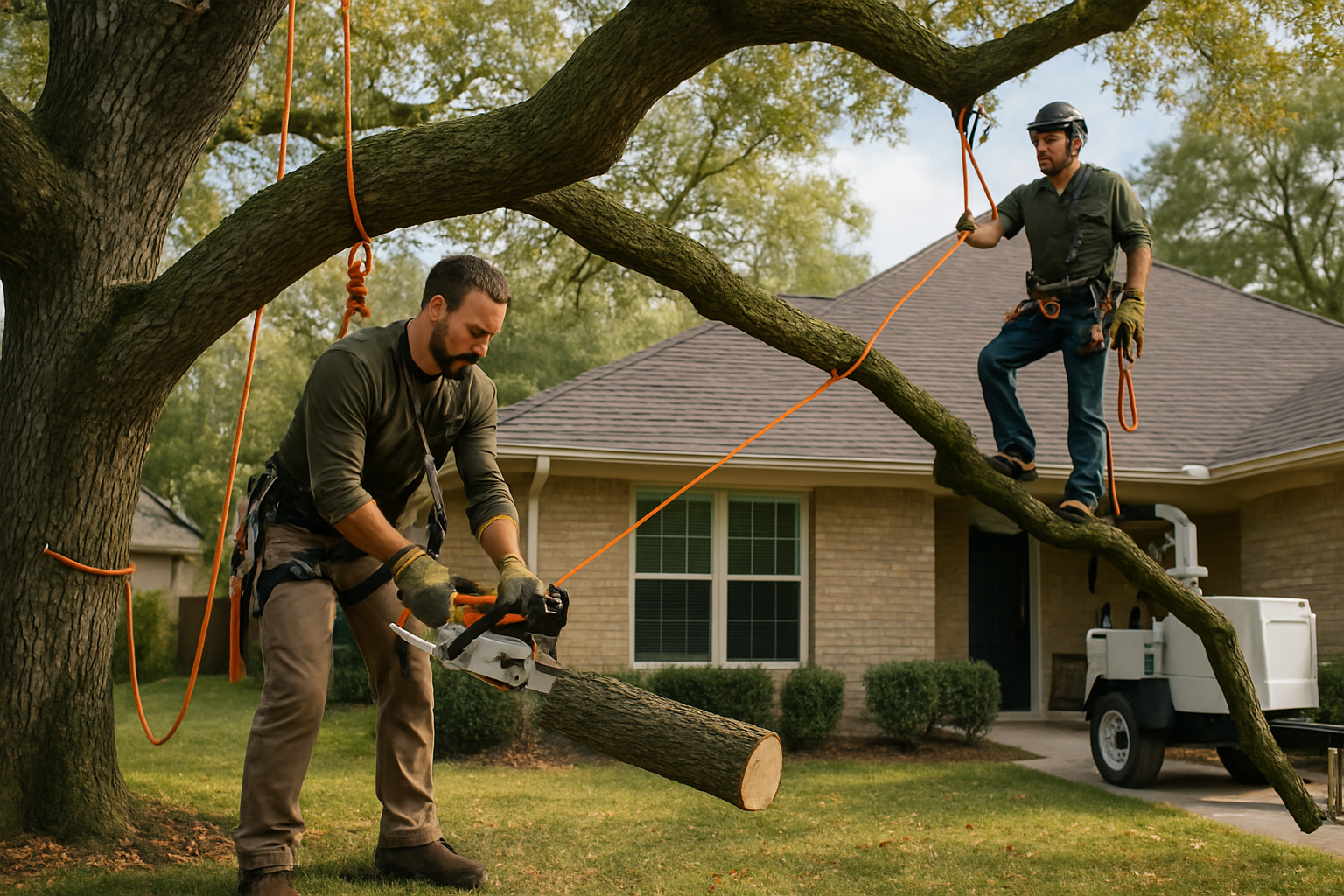
Do Not Ignore Limbs Over Your Roof, Driveway, or Outdoor Spaces
Some limbs are more urgent than others. A dead branch at the far edge of the yard may be less concerning than a large, stressed limb hanging directly above a bedroom, parked vehicle, walkway, or backyard seating area. When evaluating risk, location matters.
Branches over high-use areas should be reviewed regularly, especially after storms. In October, many Houston families are grilling, decorating for fall, getting ready for Halloween, and hosting guests outside again. That means patios, porches, sidewalks, and driveways see more activity.
Priority areas to check include:
- Branches above roofs, chimneys, skylights, and gutters.
- Limbs over driveways or regular parking spots.
- Trees near backyard patios, decks, pools, and playsets.
- Branches growing near service drops or utility lines.
- Large limbs over sidewalks, entryways, gates, and fences.
If a limb is close to power lines, do not attempt to trim it yourself. Utility-related pruning requires specialized training and safe procedures. Call a professional tree service or your utility provider for guidance.
Healthy Trees Are Safer Trees
Reducing falling limb risk is not only about removing bad branches. It is also about supporting the overall health of the tree. Stressed trees are more likely to shed limbs, attract pests, develop decay, or fail during storms.
Houston’s clay soil can create challenges for root systems. Periods of drought followed by heavy rain cause soil to shrink and swell, which can stress roots and affect tree stability. Mulching, proper watering, and avoiding root damage can all help your trees remain stronger heading into fall and winter.
Good tree health practices include:
- Adding mulch around the base of the tree while keeping it away from the trunk flare.
- Watering deeply during dry October periods, especially for younger or stressed trees.
- Avoiding soil compaction from parked vehicles, equipment, or heavy foot traffic.
- Keeping lawn equipment from striking trunks and exposed roots.
- Scheduling routine inspections for mature trees or trees with a history of damage.
Why You Should Avoid DIY Limb Removal
It can be tempting to grab a ladder and saw when you see a problem branch. But tree work is one of the most dangerous home maintenance tasks, especially when limbs are large, under tension, or located near structures. A branch can twist, split, swing, or fall in an unexpected direction. Ladders, chainsaws, and unstable limbs are a dangerous combination.
Professional crews use the right equipment, rigging methods, cutting techniques, and safety procedures to remove hazardous limbs with control. At ArborTrue, we approach each property with a plan that considers the tree, the surrounding structures, the crew’s safety, and the long-term health of the landscape.
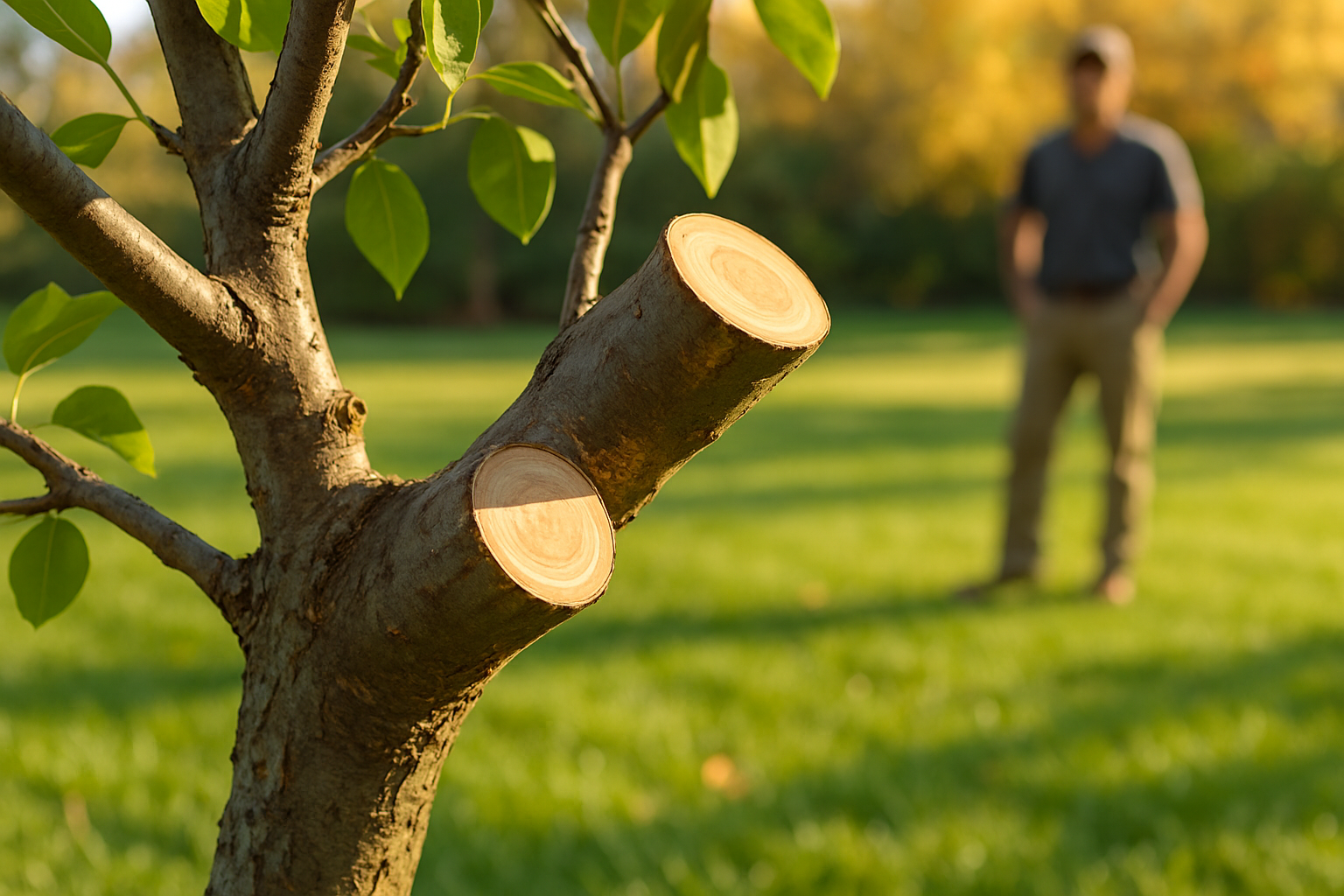
Why Choose ArborTrue for Tree Care in Houston?
As the owner of ArborTrue, I know our customers are not just looking for someone with a chainsaw. They want a dependable local team that understands Houston trees, respects their property, and gives honest recommendations. That is exactly how we operate.
Houston’s trees face unique challenges, from humid weather and sudden storms to dense neighborhoods, aging live oaks, fast-growing species, and heavy clay soils. ArborTrue brings local knowledge and practical experience to every job. We do not believe in unnecessary cutting or one-size-fits-all recommendations. Our goal is to make your trees safer, healthier, and better suited to your property.
Customers choose ArborTrue because we provide:
- Local Houston experience with the tree species and weather patterns common to our area.
- Safety-focused service for limbs near homes, vehicles, fences, and outdoor spaces.
- Honest recommendations based on tree health, risk, and property needs.
- Professional cleanup so your yard is left neat after the work is complete.
- Respect for your trees with pruning practices that avoid harmful over-cutting.
Schedule Your October Tree Check Before the Next Storm
October is one of the best times for Houston homeowners to step outside, look up, and ask: “Are these trees ready for the next round of wind and rain?” If you see dead limbs, heavy overhangs, cracks, or branches too close to your home, do not wait until they fall.
ArborTrue is here to help you reduce the risk of falling limbs, protect your property, and care for the trees that make your landscape beautiful. Whether you need a safety inspection, professional pruning, storm damage cleanup, or guidance on a mature tree, our team is ready to serve you.
Contact ArborTrue today to schedule your October tree care service in Houston, TX, and enjoy your property with greater peace of mind this fall.
Houston October Tree Care Checklist For Storm Season
Houston October Tree Care Checklist for Storm Season
October in Houston can feel like a turning point. The worst of the summer heat is usually behind us, but Gulf weather can still bring heavy rain, gusty winds, saturated soil, and late-season tropical systems. At ArborTrue, we see October as one of the most important months for tree care because it gives homeowners a chance to reduce storm risk before winter fronts, cold snaps, and unpredictable fall weather arrive.
As a Houston-based tree care company, we understand the unique challenges our trees face: clay-heavy soils, hurricane-season wind events, drought stress from the summer, sudden downpours, and fast-growing species that can become hazardous if left unchecked. Whether you have live oaks, pecans, pines, magnolias, crape myrtles, or palms, a little preventative attention in October can protect your trees, your home, and your family.
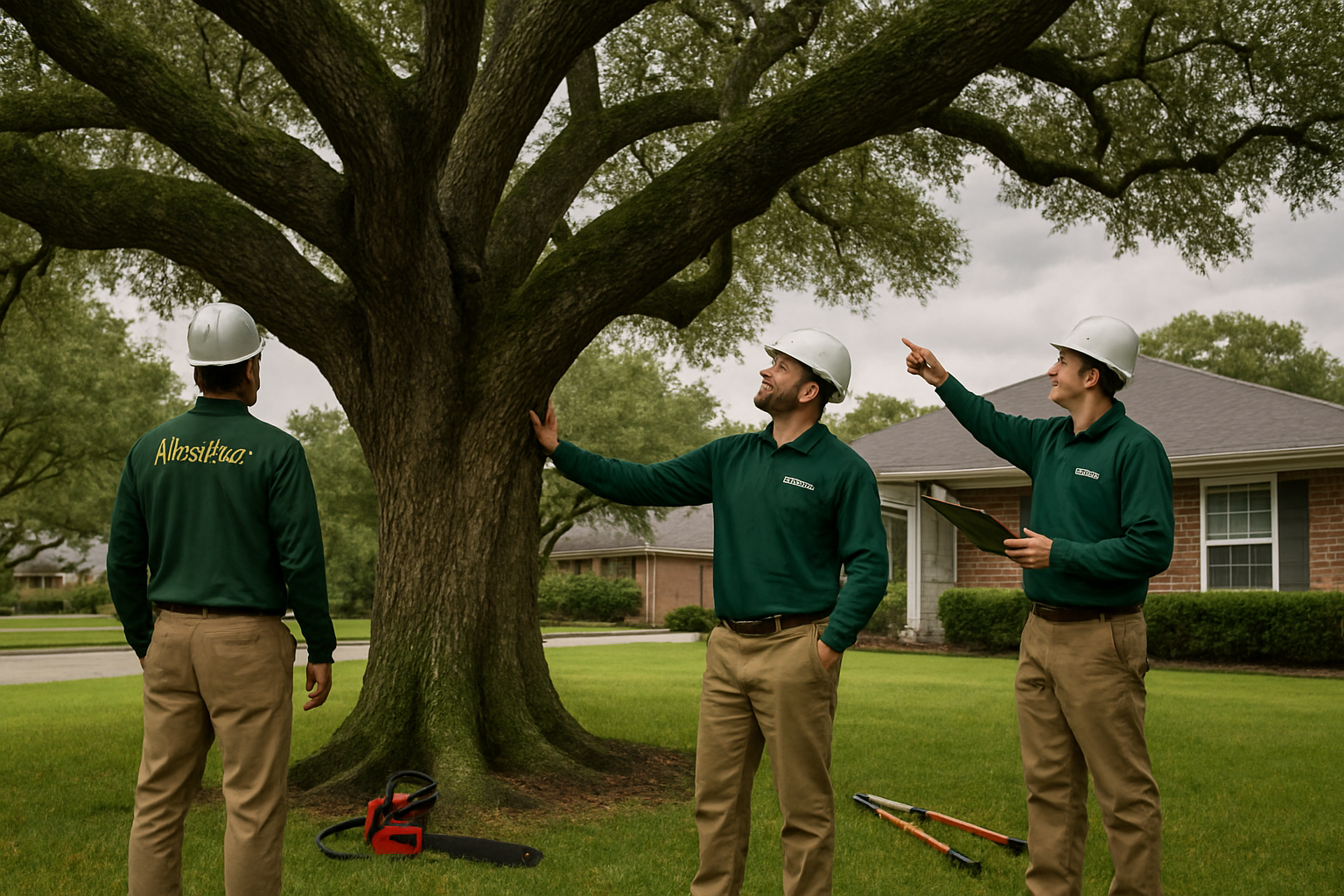
Key Takeaways:
- October is an ideal time in Houston to inspect trees for storm damage, weak limbs, disease, and summer drought stress.
- Proper pruning before strong fall storms can reduce the risk of broken branches, roof damage, and power line hazards.
- Watch for soil saturation, exposed roots, leaning trunks, fungal growth, and canopy thinning after heavy rain or wind.
- Hiring a professional tree care company like ArborTrue helps ensure your trees are evaluated safely and maintained correctly for Houston’s climate.
Why October Tree Care Matters in Houston
Although hurricane season officially runs through November, many homeowners relax once September passes. However, October can still bring tropical moisture, strong thunderstorms, and early cold fronts that create wind shifts and heavy rainfall. In Houston, the combination of wet soil and wind is one of the biggest concerns for tree stability.
When the ground becomes saturated, tree roots may lose some of their grip in the soil. If a tree already has root damage, decay, poor structure, or an unbalanced canopy, even moderate wind can cause large limbs to fail or the entire tree to lean. October inspections help identify these concerns before the next storm system moves in.
Another reason October matters is that many trees are still recovering from summer stress. Houston summers are hot, humid, and often dry between heavy rain events. Drought-stressed trees may drop leaves early, develop dead branches, or become more vulnerable to insects and disease. Fall is the perfect time to evaluate what survived the summer well and what needs care.
Your October Tree Care Checklist
Use this checklist to walk your property safely from the ground. Do not climb trees or attempt to remove large limbs yourself, especially if they are near your roof, driveway, fence, or utility lines.
- Look for dead, broken, or hanging branches. These are among the most likely to fall during a storm.
- Check for limbs touching your roof. Branches rubbing shingles can cause roof damage and give pests a pathway into your home.
- Inspect the trunk for cracks or cavities. Open wounds, hollow areas, and splitting bark can indicate structural weakness.
- Watch for mushrooms or fungal growth. Fungi near the base of a tree may be a sign of internal decay or root issues.
- Notice leaning trees. A new or worsening lean after rain or wind should be evaluated quickly.
- Look at the canopy. Sparse leaves, dead tips, or uneven growth may signal disease, pest activity, or root stress.
- Check soil and drainage. Standing water around tree roots can weaken trees over time, especially in Houston’s clay soils.
If you see any of these warning signs, it is time to call a professional. Tree problems rarely improve on their own, and waiting until after a storm often means dealing with emergency removal, property damage, or insurance headaches.
Pruning Before Storms: What to Do and What to Avoid
Pruning is one of the best ways to reduce storm damage, but only when it is done correctly. Poor pruning can weaken a tree, create decay points, and make future storm failure more likely. At ArborTrue, we focus on selective pruning that improves structure while preserving the health and natural form of the tree.
For October storm preparation, pruning often includes removing deadwood, reducing overly heavy limbs, clearing branches away from structures, and improving airflow through dense canopies. The goal is not to “top” a tree or strip it bare. In fact, topping is one of the worst things you can do to a tree because it encourages weak regrowth and increases long-term risk.
- Do remove dead, diseased, or damaged limbs.
- Do thin crowded areas carefully to reduce wind resistance.
- Do create clearance from roofs, gutters, driveways, and walkways.
- Do not top trees or cut large limbs without a proper plan.
- Do not over-prune before storm season. Removing too much canopy can stress the tree.
- Do not prune near power lines. This should always be handled by qualified professionals or the utility provider.
“ArborTrue helped us identify two large limbs over our garage that we never realized were cracked. They pruned the tree safely before the next storm rolled through, and we had real peace of mind.”
— Local ArborTrue customer in Houston, TX
Pay Attention to Houston’s Clay Soil
Tree care in Houston is not just about what you can see above ground. Our soil plays a major role in tree health. Much of the Houston area has heavy clay soil that expands when wet and shrinks when dry. After a hot summer, October rain can cause rapid soil changes around roots. This movement can stress trees, especially younger trees or trees with limited root systems.
Mulching is one simple way to help. A proper mulch ring helps regulate soil temperature, retain moisture, and reduce competition from grass. However, mulch should never be piled against the trunk. That “mulch volcano” effect can trap moisture, encourage decay, and invite pests.
For best results, apply a two- to three-inch layer of mulch around the tree’s root zone, keeping it a few inches away from the trunk. This is especially helpful going into the cooler months when trees need stable soil conditions to recover and prepare for spring growth.
Storm Prep Around Your Home
October is also a smart time to look at how trees interact with your home and property. Branches overhanging your roof, pool, patio, or driveway can create hazards during storms. Leaves and small limbs can clog gutters, causing water to back up and damage fascia boards or roofing materials.
Here are a few practical storm-prep steps for Houston homeowners:
- Clear low-hanging limbs from walkways, driveways, and entrances.
- Schedule professional pruning for large branches over your home or garage.
- Remove dead or declining small trees before they become emergency hazards.
- Check trees near fences, sheds, and outdoor living spaces.
- Clean gutters after heavy leaf drop or pruning work.
- Document tree conditions with photos before major storms for insurance records.
These simple steps can make a major difference when high winds and heavy rain arrive. Preventative tree care is almost always more affordable than emergency response after a limb crashes down.
Signs You May Need Tree Removal
At ArborTrue, we love saving trees whenever possible. Healthy, mature trees add shade, beauty, curb appeal, and value to your property. However, some trees become too hazardous to keep, especially going into storm season.
You may need a professional removal evaluation if a tree has severe trunk decay, major root damage, a strong lean toward your home, repeated large limb failures, extensive disease, or storm damage that cannot be corrected with pruning. Removal is always a serious decision, but safety must come first.
Our team can help you understand whether a tree can be preserved, pruned, braced, monitored, or removed. We do not believe in unnecessary removals, but we also will not ignore a dangerous situation.
Why Choose ArborTrue for October Tree Care in Houston?
When you hire ArborTrue, you are hiring a local team that understands Houston trees, Houston weather, and Houston homeowners. We know what Gulf Coast storms can do, and we know how quickly tree problems can escalate when they are overlooked.
Our approach is practical, honest, and safety-focused. We inspect your trees carefully, explain what we see, and recommend the right solution for your property. Whether you need seasonal pruning, storm-risk assessment, deadwood removal, tree removal, or general tree health guidance, ArborTrue is ready to help.
Customers choose ArborTrue because we offer:
- Local Houston knowledge of regional tree species, soil conditions, and storm patterns.
- Safety-first service for homes, families, crews, and surrounding property.
- Clear communication before, during, and after the job.
- Professional equipment and techniques designed for efficient, careful tree work.
- Honest recommendations focused on long-term tree health and property protection.
Schedule Your October Tree Inspection
October is the right time to prepare your trees for the rest of storm season and the cooler months ahead. Do not wait until a branch is on your roof or a tree is leaning after a downpour. A proactive inspection from ArborTrue can help you spot risks early, protect your property, and keep your landscape healthy.
If you are in Houston or the surrounding area, contact ArborTrue today to schedule your October tree care service. We would be proud to help you prepare your trees for whatever Gulf Coast weather brings next.
The Benefits Of Proactive Tree Maintenance Before Autumn
The Benefits of Proactive Tree Maintenance Before Autumn in Houston
September in Houston is a transition month—but not always a gentle one. We’re still dealing with high heat, heavy humidity, sudden thunderstorms, saturated soil, and the ongoing possibility of tropical weather. At the same time, trees are beginning to prepare for the cooler months ahead. That makes early fall one of the best times of year to inspect, prune, and protect your trees before small problems become expensive hazards.
At ArborTrue, we help Houston homeowners and property managers stay ahead of seasonal tree issues with professional, proactive tree maintenance. Whether you have mature live oaks shading your yard, pecan trees near your driveway, or pine trees close to your home, September is the ideal time to make sure your trees are strong, healthy, and ready for the months ahead.
Key Takeaways:
- Schedule a tree inspection in September to identify weak limbs, storm damage, pests, and disease before autumn weather changes.
- Proactive pruning can reduce the risk of broken branches during Houston thunderstorms and tropical weather events.
- Healthy trees add curb appeal, shade, property value, and long-term protection for your landscape.
- Choosing ArborTrue means working with a local Houston tree care team that understands our climate, soil, and common tree species.
Why September Tree Maintenance Matters in Houston
Houston’s September weather can be unpredictable. One week may bring intense sun and heat stress, while the next brings heavy rain, strong winds, or tropical storm activity. Trees that already have weak limbs, compacted soil, pest problems, or hidden decay may struggle under those conditions.
Proactive maintenance helps your trees recover from summer stress and prepare for autumn. By addressing issues early, you can reduce the chance of emergency tree removals, property damage, and long-term decline.
Some of the most common September tree concerns in Houston include:
- Heat stress: Prolonged summer heat can weaken trees, especially young or recently planted ones.
- Storm damage: Branches may crack or hang after summer thunderstorms, even if the damage is not obvious from the ground.
- Excess moisture: Heavy rainfall can contribute to root problems, fungal growth, and unstable soil.
- Pest activity: Insects such as borers, aphids, scale, and other pests may target stressed trees.
- Deadwood: Dead or dying limbs become more dangerous during windy weather.
Pruning Before Autumn Helps Reduce Risk
One of the most valuable things you can do before autumn is have your trees professionally evaluated for pruning. Proper pruning is not just about appearance—it is about structure, safety, and health.
In Houston, trees often grow quickly because of our long warm season. That fast growth can sometimes lead to crowded canopies, heavy limbs, or branches growing too close to roofs, fences, power lines, and driveways. When storm winds move through the area, those limbs can break and cause costly damage.
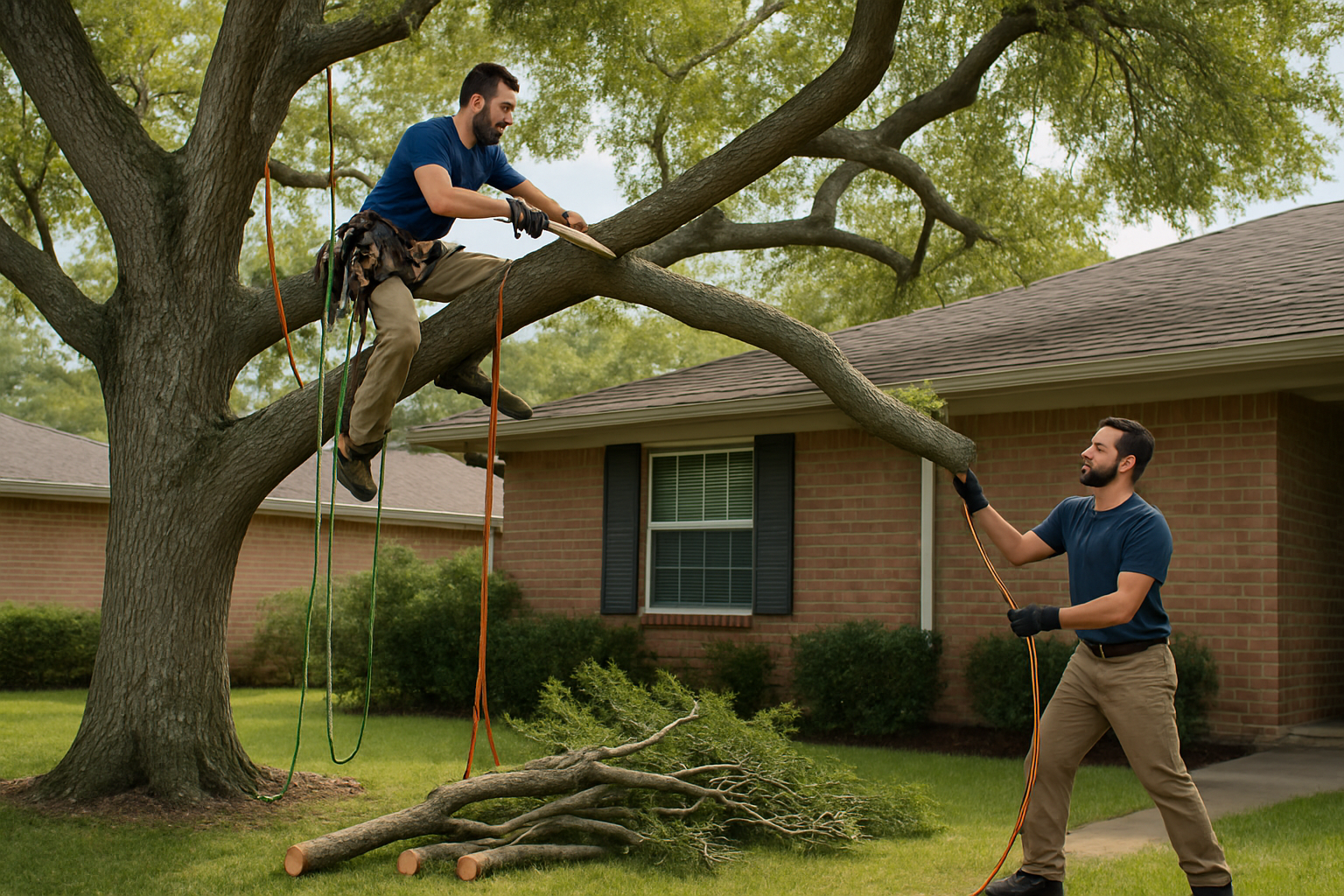
Professional pruning can help by:
- Removing dead, cracked, diseased, or hanging branches.
- Reducing excessive weight at the ends of limbs.
- Improving airflow through the canopy.
- Allowing more sunlight to reach turf and landscape plants below.
- Training young trees for stronger long-term structure.
- Clearing branches away from homes, gutters, walkways, and parking areas.
It is important to note that not all pruning is beneficial. Over-pruning, topping, or cutting at the wrong location can weaken a tree and create future hazards. ArborTrue uses proper pruning techniques designed to support tree health—not just make a tree look trimmed for a few weeks.
“ArborTrue helped us identify several heavy limbs over our roof before storm season picked up. Their crew was professional, careful, and explained exactly what needed to be done without trying to oversell us.”
— Local ArborTrue Customer in Houston, TX
Healthy Trees Handle Storms Better
No tree can be made completely storm-proof, especially in a region like Houston where strong thunderstorms and tropical systems are part of life. However, a healthy, well-maintained tree is usually better equipped to withstand wind and rain than a neglected one.
Tree health is influenced by many factors: root condition, soil quality, canopy balance, branch structure, water availability, and pest resistance. When one part of that system is compromised, the whole tree can become more vulnerable.
For example, a tree with a dense, unbalanced canopy may catch more wind. A tree with internal decay may appear healthy on the outside but fail during a storm. A tree with root damage may lean or uproot when the soil becomes saturated after heavy rain.
That is why a professional inspection is so valuable. At ArborTrue, we look beyond the obvious. We assess the overall condition of your trees and recommend practical steps based on what we find. Sometimes that means pruning. Sometimes it means soil care, cabling, monitoring, or removal if a tree poses a serious risk.
September Is a Smart Time to Check for Pests and Disease
Late summer and early fall are also important times to watch for signs of insects, fungi, and disease. Houston’s warm, humid climate can create ideal conditions for problems to spread quickly, especially in trees already stressed by heat or drought.
Watch for warning signs such as:
- Leaves yellowing, browning, or dropping earlier than expected.
- Small holes in the bark or sawdust-like material around the trunk.
- Mushrooms or fungal growth near the base of the tree.
- Cracks, cavities, or soft areas in the trunk.
- Branches dying back from the tips.
- Sticky residue, unusual insects, or black sooty mold on leaves.
If you notice any of these symptoms, it is best not to wait until the tree declines further. Early diagnosis can make a major difference. Some problems can be treated or managed if caught in time, while delayed action may leave removal as the only safe option.
Proactive Tree Care Protects Your Property Value
Trees are one of the most valuable features in a Houston landscape. They provide shade during our long hot season, reduce cooling costs, improve curb appeal, support wildlife, and create a more comfortable outdoor space. A mature, healthy tree can take decades to replace.
On the other hand, neglected trees can quickly become liabilities. Dead limbs over a roof, roots affected by poor drainage, or branches rubbing against structures can lead to expensive repairs. For commercial properties, unsafe trees may also create risks for customers, tenants, employees, and vehicles.
By investing in proactive tree maintenance before autumn, you are protecting more than the tree—you are protecting your home, your landscape, and your peace of mind.
Why Choose ArborTrue for Tree Maintenance in Houston?
As a local Houston tree care company, ArborTrue understands the unique challenges our area presents. We know how Gulf Coast humidity, clay-heavy soils, extreme heat, sudden downpours, and storm systems affect tree health. We also understand the tree species commonly found throughout Houston neighborhoods, including live oak, water oak, pecan, pine, magnolia, cedar elm, crape myrtle, and palm varieties.
When you choose ArborTrue, you get a team focused on honest recommendations, safe work practices, and long-term tree health. We do not believe in unnecessary cutting or one-size-fits-all service. Every property is different, and every tree has its own structure, condition, and role in the landscape.
Customers choose ArborTrue because we provide:
- Local expertise: We understand Houston’s climate, soil, and seasonal tree risks.
- Safety-focused service: Tree work can be dangerous, and we use proper equipment and techniques to protect your property and our crew.
- Clear communication: We explain what we see, what we recommend, and why it matters.
- Preventive solutions: Our goal is to help you avoid emergency situations whenever possible.
- Professional cleanup: We respect your property and leave the work area clean and orderly.
Do Not Wait for a Limb to Fall
Many tree problems start quietly. A small crack, a dead branch, early pest activity, or minor storm damage may not seem urgent at first. But in Houston’s September weather, conditions can change quickly. One strong storm or a period of heavy rain may turn a manageable issue into an emergency.
Proactive tree maintenance gives you control. Instead of reacting after damage occurs, you can address risks ahead of time. That means safer outdoor spaces, healthier trees, and fewer surprises as we move into autumn.
Schedule Your September Tree Inspection with ArborTrue
If you have not had your trees inspected recently, September is the perfect time to do it. ArborTrue can evaluate your trees, identify potential hazards, recommend appropriate pruning, and help you plan for long-term health and safety.
Whether you are concerned about a large limb over your roof, a tree that looks stressed after summer, or general seasonal maintenance before autumn, our team is ready to help.
Contact ArborTrue today to schedule proactive tree maintenance in Houston, TX, and give your trees the care they need before autumn arrives.
Stump Grinding Benefits Before Fall Landscape Projects
Stump Grinding Benefits Before Fall Landscape Projects in Houston, TX
September in Houston is a transition month. We are still dealing with heat, humidity, pop-up thunderstorms, and the tail end of hurricane season—but homeowners are also starting to think ahead to fall landscaping. This is the time of year when new sod, flower beds, walkways, patios, and tree plantings begin moving from “idea” to “project.”
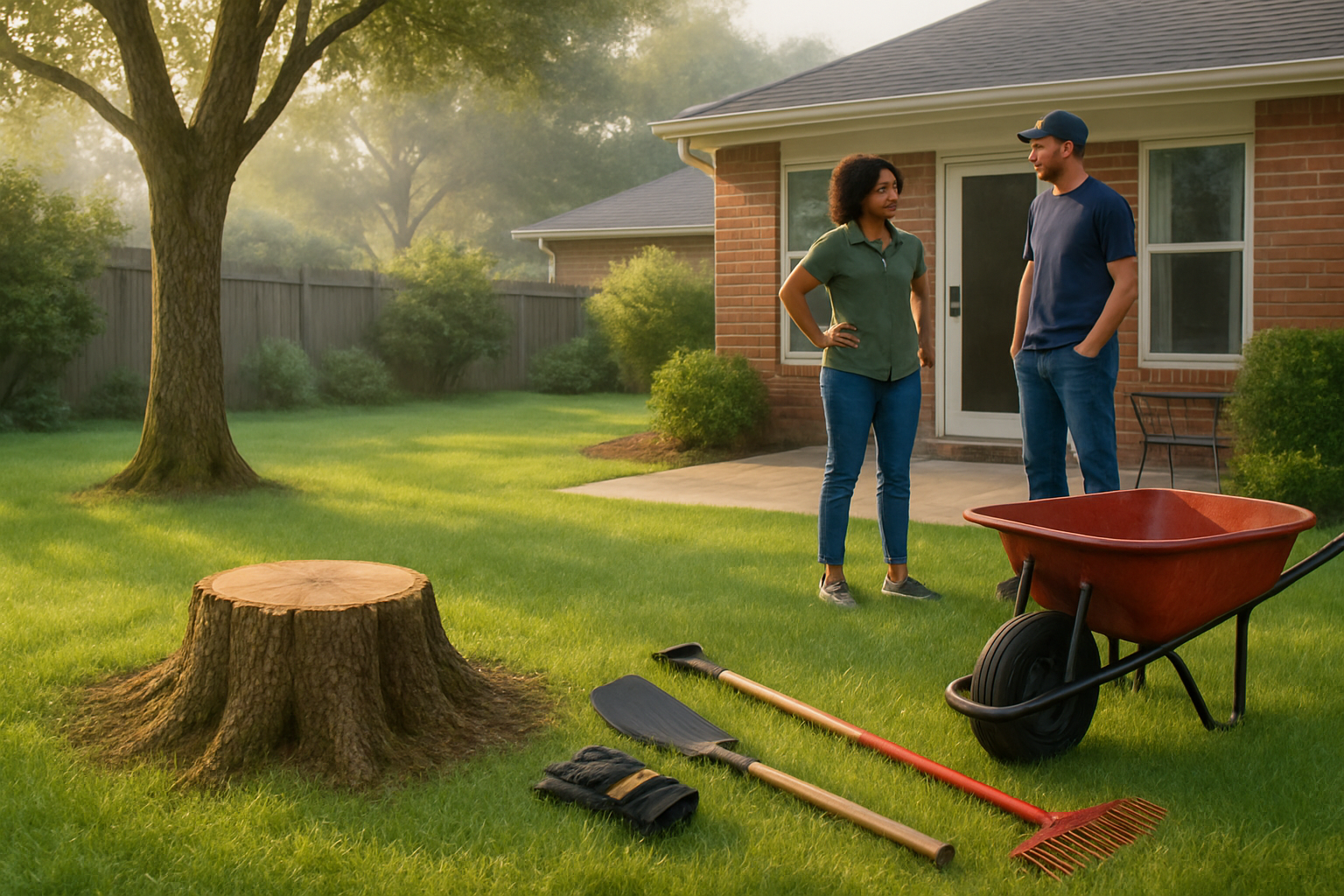
As the owner of ArborTrue here in Houston, I can tell you that one of the most overlooked steps before starting a fall landscape upgrade is stump grinding. A leftover stump may seem harmless, but it can create problems for your lawn, your design plans, and even your home’s curb appeal.
If you have an old tree stump sitting in your yard, September is an ideal time to remove it before cooler fall planting weather arrives.
Key Takeaways:
- Grinding a stump before fall landscaping gives you a clean, level space for sod, flower beds, patios, walkways, or new plantings.
- September is a smart time for stump grinding in Houston because warm soil, seasonal rain, and fall project planning all work in your favor.
- Removing stumps helps reduce trip hazards, pest activity, unwanted regrowth, and obstacles for mowing or irrigation work.
- Choosing a local Houston company like ArborTrue means working with a team that understands Gulf Coast soil, weather, and landscape needs.
Why Stumps Get in the Way of Fall Landscape Projects
A stump can limit what you are able to do with your yard. Whether you are planning a new garden bed, fresh mulch, sod installation, drainage work, or a new outdoor living area, that stump becomes an obstacle. Even if it sits off to the side, it can affect grading, mowing, and the overall look of your landscape.
In Houston, where yards often deal with clay-heavy soil, poor drainage pockets, and intense summer stress, fall is one of the best times to refresh your outdoor space. But before you invest in new plants or hardscaping, it makes sense to remove anything that could interfere with the finished result.
Stump grinding helps clear the way for:
- New sod or turf installation
- Expanded flower beds or native plant gardens
- Walkways, patios, and outdoor seating areas
- Irrigation repairs or upgrades
- Better drainage and grading
- Fresh mulch and cleaner curb appeal
September Weather in Houston Makes Timing Important
Houston’s September weather is unique. We still see temperatures in the upper 80s and 90s, and humidity remains high. Afternoon storms can roll through quickly, and the ground may shift between dry and saturated within the same week. At the same time, homeowners are looking forward to the milder conditions that arrive later in the fall.
That makes September a practical window for stump grinding. The summer growing season has exposed problem areas in the lawn, but there is still enough time to prep the yard before peak fall landscaping begins. Once the stump is ground down and the area is cleaned up, you can move forward with soil amendments, leveling, planting, or construction.
Waiting too long can delay your fall projects. If a landscaper, irrigation contractor, or sod crew arrives and finds a stump in the way, your timeline may get pushed back. Handling stump grinding first keeps the project moving smoothly.
The Biggest Benefits of Stump Grinding Before Fall
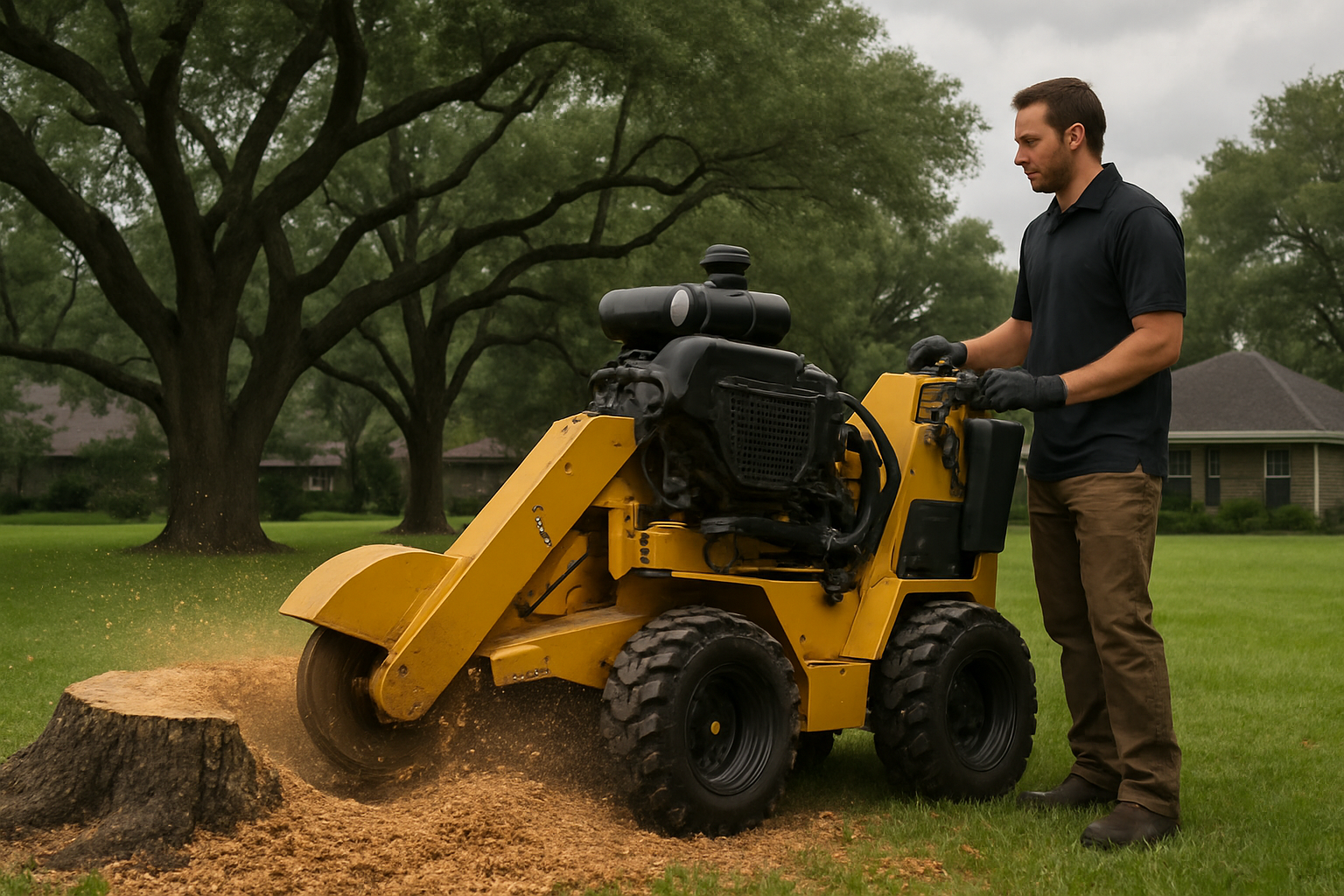
Stump grinding is more than a cosmetic improvement. It is a practical step that can protect your yard and make future landscaping easier.
1. You Get Usable Yard Space Back
A stump takes up more space than most homeowners realize. Around it, grass may grow unevenly, roots may rise near the surface, and mowing becomes a hassle. Once the stump is ground below the surface, that area becomes usable again. You can level it, plant over it, mulch it, or incorporate it into your new design.
2. You Reduce Pest Problems
Old stumps can attract insects, especially in Houston’s warm, humid climate. Decaying wood may invite termites, carpenter ants, beetles, and other pests. While not every stump becomes a pest issue, leaving dead wood in the yard increases the risk.
Grinding the stump removes the bulk of the decaying material and makes your yard less inviting to wood-boring insects.
3. You Eliminate a Trip Hazard
Stumps can be dangerous, especially when grass grows around them or when they are located near play areas, pathways, or outdoor gathering spaces. In September and October, many Houston families start spending more time outside again as the weather becomes more comfortable. Removing the stump helps create a safer yard for children, guests, and pets.
4. You Prevent Unwanted Regrowth
Some tree species try to send up new shoots from the stump or remaining roots. These sprouts can be frustrating and unattractive, especially if you are trying to create a clean landscape bed or maintain a neat lawn. Stump grinding helps stop the stump from becoming a recurring maintenance problem.
5. You Improve Curb Appeal Before the Holidays
Fall projects often lead right into the holiday season. Whether you are hosting family, decorating the front yard, or simply wanting your home to look its best, removing an old stump can make a noticeable difference. A clean, open lawn looks more polished and intentional.
“We had been planning to redo our front beds for months, but the old stump made everything look unfinished. ArborTrue ground it out quickly, cleaned up the area, and gave us the fresh start we needed before planting for fall.”
— Local Houston homeowner
What Happens to the Wood Chips?
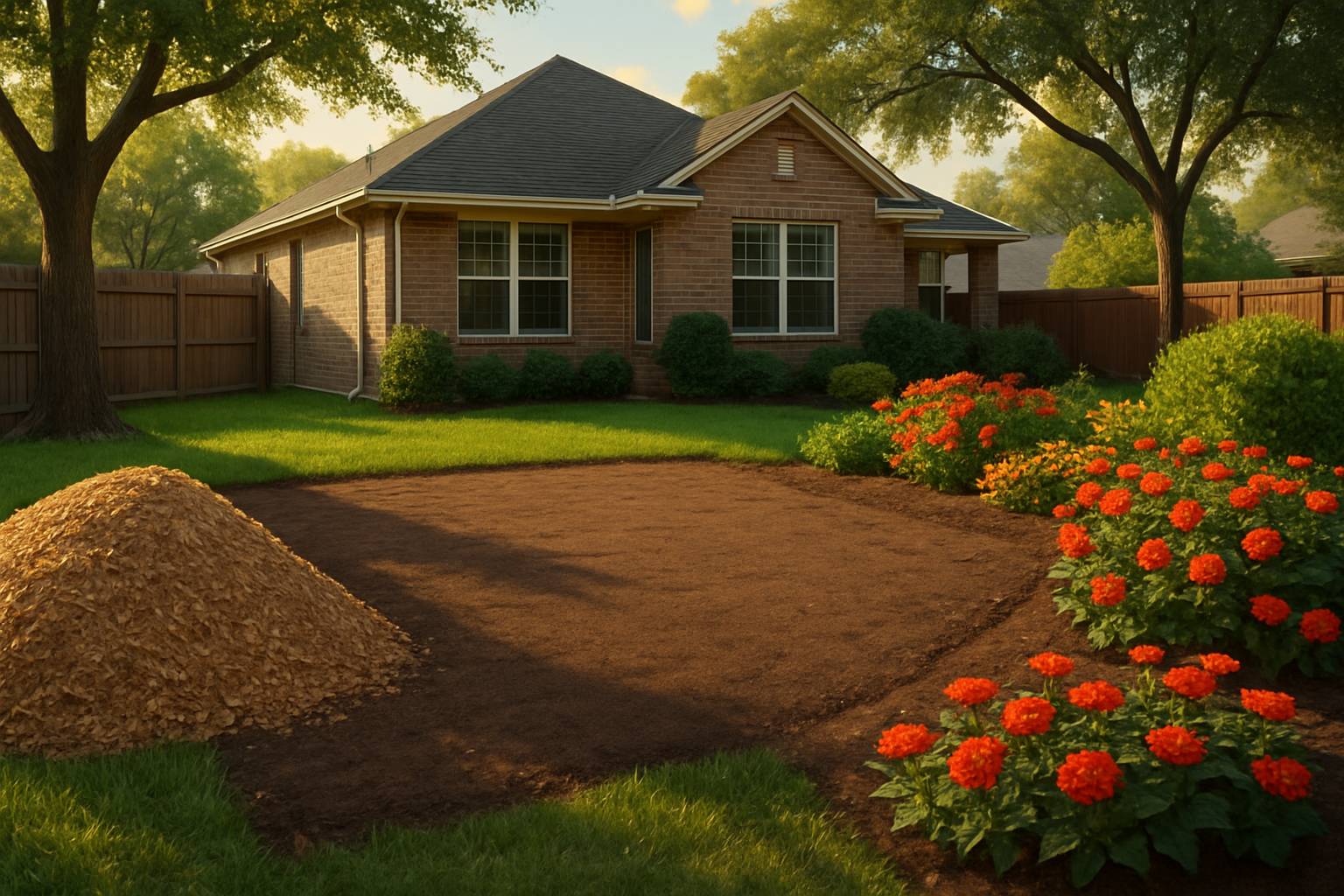
One of the nice things about stump grinding is that it produces wood chips that can often be reused on-site. Depending on the condition of the stump and the needs of your yard, chips may be used as mulch around certain areas or hauled away for a cleaner finish.
At ArborTrue, we discuss cleanup expectations before the work begins so there are no surprises. Some homeowners want the grindings left to fill the hole. Others prefer a cleaner area ready for soil, sod, or new landscaping. The right choice depends on your project goals.
Why Choose ArborTrue for Stump Grinding in Houston?
When you hire ArborTrue, you are choosing a local tree care company that understands Houston yards. Our weather, soil, tree species, and neighborhood layouts all matter. Stump grinding in Houston is not always as simple as driving a machine into the yard and grinding away. Access, nearby roots, fences, irrigation lines, underground utilities, and landscape features all need to be considered.
Customers choose ArborTrue because we focus on doing the job safely, efficiently, and with respect for your property.
- Local Houston experience: We understand the challenges of Gulf Coast landscapes, including compacted soil, drainage issues, and storm-damaged trees.
- Professional equipment: We use stump grinding equipment designed to remove stumps effectively while minimizing disruption to surrounding areas.
- Project-ready results: We help prepare the space for what comes next, whether that is sod, planting, mulch, or hardscaping.
- Clear communication: We explain the process, discuss depth and cleanup options, and answer your questions before we begin.
- Respect for your property: We take care around lawns, fences, beds, patios, and nearby trees.
Get Your Yard Ready Before Fall Planting Season
If your fall landscape plans include planting, grading, sod, mulch, or a new outdoor feature, do not let an old stump slow you down. September is the right time to take care of it before Houston’s cooler landscaping season gets busy.
At ArborTrue, we help homeowners create safer, cleaner, and more usable outdoor spaces. Stump grinding is a simple step that can make a big difference in the success of your fall project.
If you have a stump in your yard and you are ready to reclaim that space, contact ArborTrue today. We would be happy to take a look, explain your options, and help you get your Houston landscape ready for fall.
How September Heat Affects Tree Stress In Houston
How September Heat Affects Tree Stress in Houston—and Why ArborTrue Is the Right Team to Call
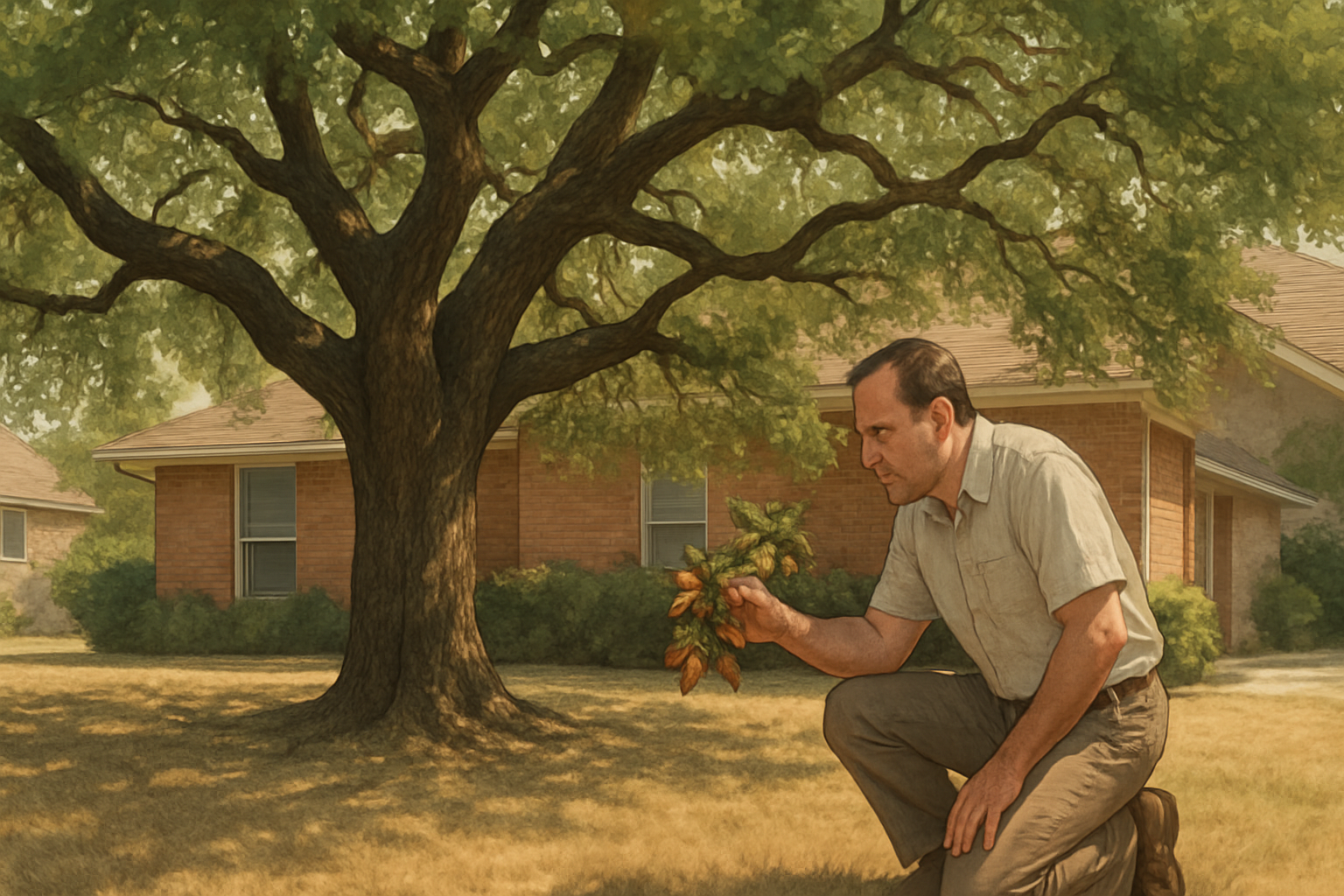
September in Houston can feel like summer is refusing to leave. Even as the calendar hints at fall, our trees are still dealing with intense heat, heavy humidity, hard afternoon sun, and the stop-and-start pattern of Gulf Coast rain. For homeowners, this is one of the most important times of year to pay attention to tree health. Heat stress that began in July or August often becomes more visible in September, and untreated problems can carry into fall and winter.
At ArborTrue, we work with Houston trees every day. We understand how our local climate affects live oaks, southern red oaks, pecans, crepe myrtles, magnolias, pines, palms, and other common landscape trees. September is not just “late summer”—it is a critical transition period when stressed trees either recover with proper care or decline further.
Key Takeaways:
- September heat in Houston can intensify drought stress, leaf scorch, pest activity, and root strain in landscape trees.
- Watch for warning signs like thinning canopy, premature leaf drop, browning leaf edges, dead limbs, and mushrooms near the trunk.
- Deep watering, proper mulching, and professional pruning can help trees recover before cooler weather arrives.
- ArborTrue provides local, practical tree care solutions designed for Houston’s heat, humidity, storms, and soil conditions.
Why September Heat Is So Hard on Houston Trees
By September, many Houston trees have already endured months of high temperatures. Even when we get rain, it may come in quick, heavy bursts that run off compacted soil instead of soaking deeply into the root zone. Then the sun returns, humidity rises, and the soil surface dries again.
This pattern creates a stressful cycle. Tree roots need oxygen and consistent moisture, but Houston conditions often swing between hot, dry soil and overly saturated ground after storms. Trees in newer neighborhoods, compacted yards, parking lots, or areas with limited root space are especially vulnerable.
Common September stress factors include:
- Lingering heat: High temperatures keep trees transpiring, meaning they lose water through their leaves.
- High humidity: Humidity can encourage fungal issues, especially in dense canopies with poor airflow.
- Compacted soil: Heavy clay and foot traffic can limit water absorption and oxygen movement around roots.
- Storm pressure: September is still part of hurricane season, and weakened limbs are more likely to fail in wind.
- Pest activity: Stressed trees are easier targets for insects and disease organisms.
Signs Your Tree Is Heat-Stressed
Tree stress does not always look dramatic at first. Many trees decline slowly, and by the time major limb dieback appears, the problem may have been developing for months. September is a good time to walk your property and look closely at the canopy, trunk, root flare, and soil.
Watch for these warning signs:
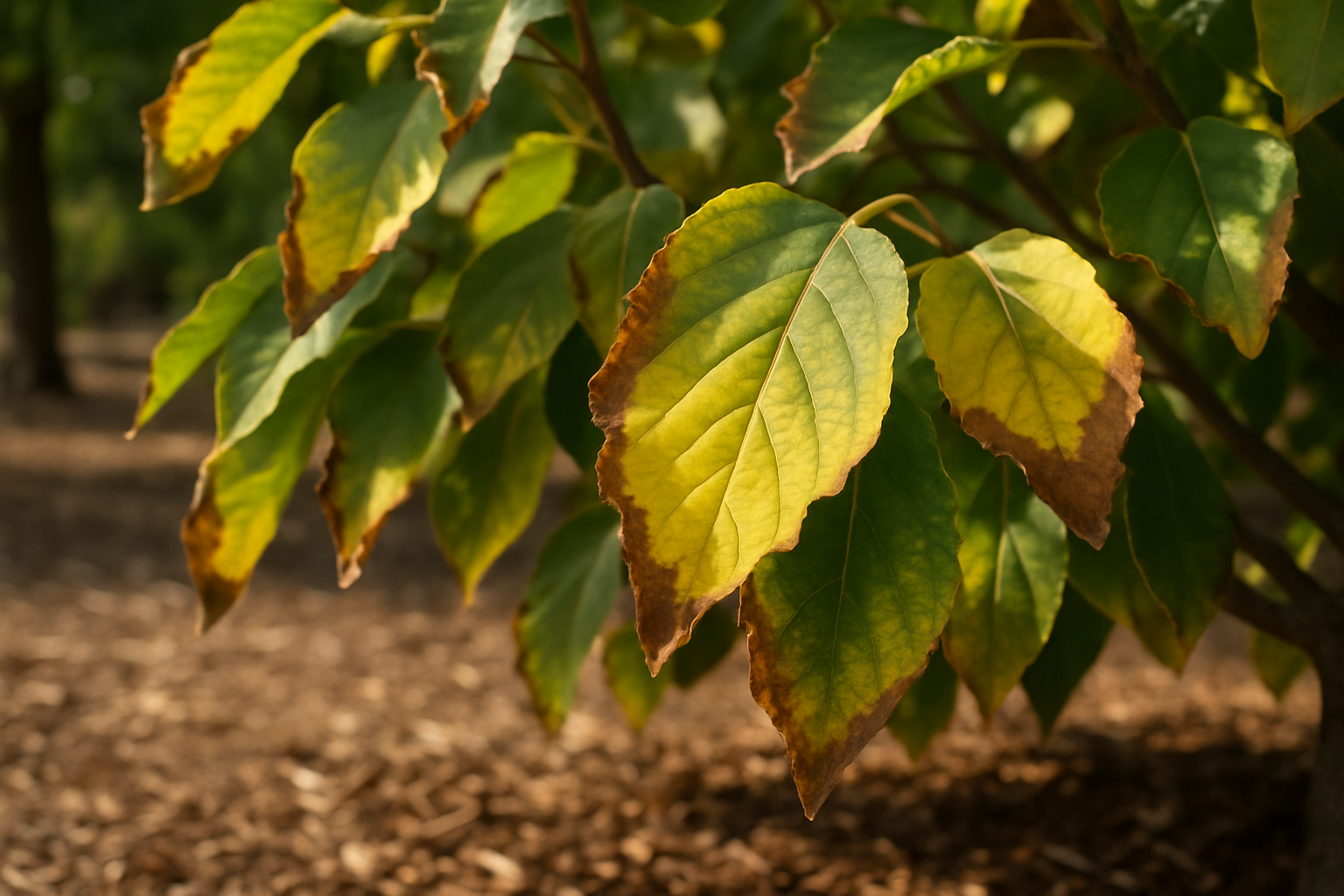
- Leaves turning brown along the edges, also called leaf scorch
- Premature leaf drop before normal fall timing
- A thinning canopy with more visible sky between branches
- Dead, brittle, or hanging limbs
- Cracks in the trunk or major branches
- Fungal growth, mushrooms, or soft wood near the base
- Peeling bark or oozing sap
- Sudden leaning or soil lifting near the roots
Some leaf drop in late summer can be a natural response to heat, but heavy or sudden changes should not be ignored. A stressed tree may still look “mostly okay” while it is losing stored energy and becoming more vulnerable to failure.
Watering Trees in September: More Is Not Always Better
One of the biggest mistakes Houston homeowners make is watering too shallowly. A quick sprinkler run may green up turf, but it often fails to reach deeper tree roots. On the other hand, overwatering can suffocate roots, especially in heavy clay soil.
The goal is slow, deep watering. For many established trees, watering around the drip line—the area under the outer edge of the canopy—is more effective than watering right against the trunk. Young trees usually need more frequent attention because their root systems are still developing.
Helpful September watering tips include:
- Water early in the morning to reduce evaporation.
- Use a slow hose trickle, soaker hose, or deep-root watering method.
- Focus on the root zone, not just the trunk.
- Check soil moisture several inches down before watering again.
- Avoid constantly soggy soil, which can contribute to root rot.
Every property is different. Soil type, slope, drainage, sun exposure, tree species, and irrigation habits all matter. That is why ArborTrue evaluates the full site—not just the visible branches—before recommending a care plan.
Mulch: A Simple Tool That Makes a Big Difference
In Houston’s September heat, mulch acts like insulation for the soil. It helps conserve moisture, moderate soil temperature, and reduce competition from grass around the root zone. However, mulch must be applied correctly.
A healthy mulch ring should be spread in a wide, even layer while keeping mulch away from the trunk. Avoid “mulch volcanoes,” where mulch is piled high against the bark. That traps moisture against the trunk and can encourage decay, pests, and disease.
For many trees, a 2- to 4-inch layer of organic mulch is ideal. As it breaks down, it also improves soil structure over time—something many Houston yards can benefit from.
Pruning During September: Be Careful and Strategic
September is not the time for aggressive, unnecessary pruning. Removing too much live canopy during hot weather can increase stress because the tree loses leaves it needs for energy production and shade. However, selective pruning can be very important if the tree has dead, broken, diseased, or hazardous limbs.
This is especially true during hurricane season. Weak limbs, overextended branches, and storm-damaged trees can create safety risks for homes, vehicles, fences, and people. ArborTrue focuses on proper cuts, canopy structure, and tree health—not quick trimming that leaves trees weaker in the long run.
“ArborTrue helped us understand why our oak was dropping leaves so early in September. They didn’t just trim it—they explained the heat stress, checked the soil, and gave us a plan to help it recover.”
— Local ArborTrue customer in Houston, TX
Houston Tree Stress and Pest Problems
Heat-stressed trees can become more attractive to pests. When a tree is low on energy or struggling to move water, it has fewer natural defenses. In Houston, stressed trees may be more vulnerable to borers, scale insects, aphids, mites, and fungal issues depending on the species and site conditions.
The important thing is to identify the actual cause before treating symptoms. Browning leaves might be drought stress, root damage, disease, pest activity, improper watering, construction injury, or a combination of factors. Spraying or fertilizing without a diagnosis can waste money and sometimes make the situation worse.
ArborTrue takes a practical, observation-based approach. We look at the canopy, bark, soil, drainage, root flare, surrounding landscape, and recent weather patterns before recommending next steps.
Why Choose ArborTrue for Tree Care in Houston?
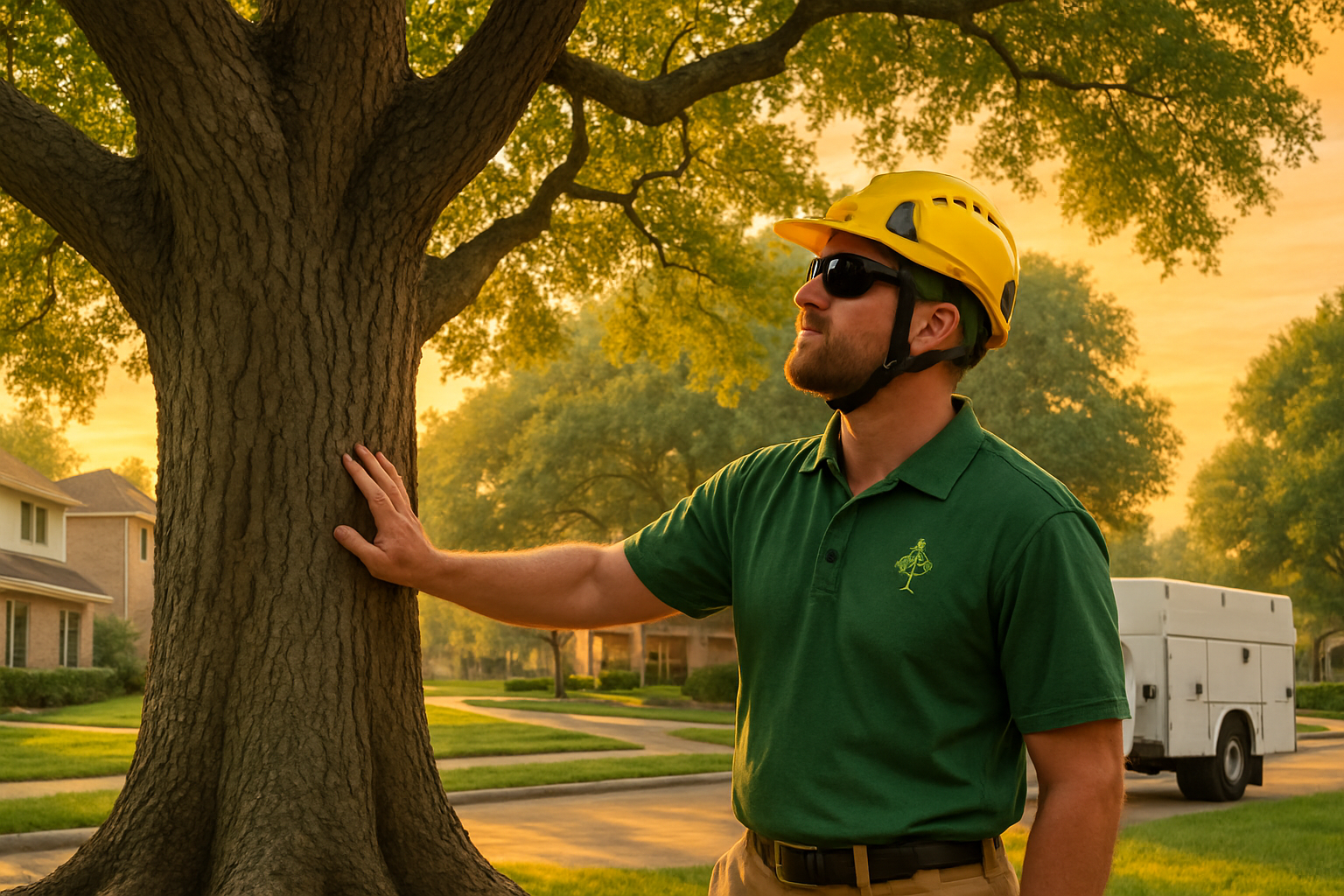
As a Houston-based tree care company, ArborTrue understands that our local trees face a unique mix of heat, humidity, clay soil, tropical weather, and urban stress. We are not offering one-size-fits-all tree work. We provide tree care based on what your property actually needs.
When you call ArborTrue, you can expect:
- Local experience: We know Houston weather patterns, common tree species, and neighborhood soil challenges.
- Honest recommendations: If your tree needs pruning, support, monitoring, or removal, we will explain why.
- Safety-focused service: Tree work near homes, power lines, driveways, and fences requires skill and planning.
- Health-first care: We aim to preserve trees when possible and remove them when they are unsafe or beyond recovery.
- Clear communication: We help you understand what is happening with your trees and how to care for them going forward.
Schedule a September Tree Check Before Stress Gets Worse
September heat can reveal problems that have been building all summer. If your tree is dropping leaves early, showing dead limbs, leaning, thinning out, or just “doesn’t look right,” now is the time to take action. Waiting until a storm exposes a weak branch or a declining tree becomes dangerous can lead to higher costs and greater risk.
ArborTrue is here to help Houston homeowners protect their trees, improve curb appeal, and reduce storm-related hazards. Whether you need a professional tree inspection, selective pruning, tree removal, or a long-term care plan, our team is ready to provide dependable local service.
Contact ArborTrue today to schedule your September tree care visit in Houston, TX. Let us help your trees recover from the heat and prepare for the season ahead.
Storm Prep Tips For Houston Trees Before Fall Weather Arrives.
Storm Prep Tips for Houston Trees Before Fall Weather Arrives
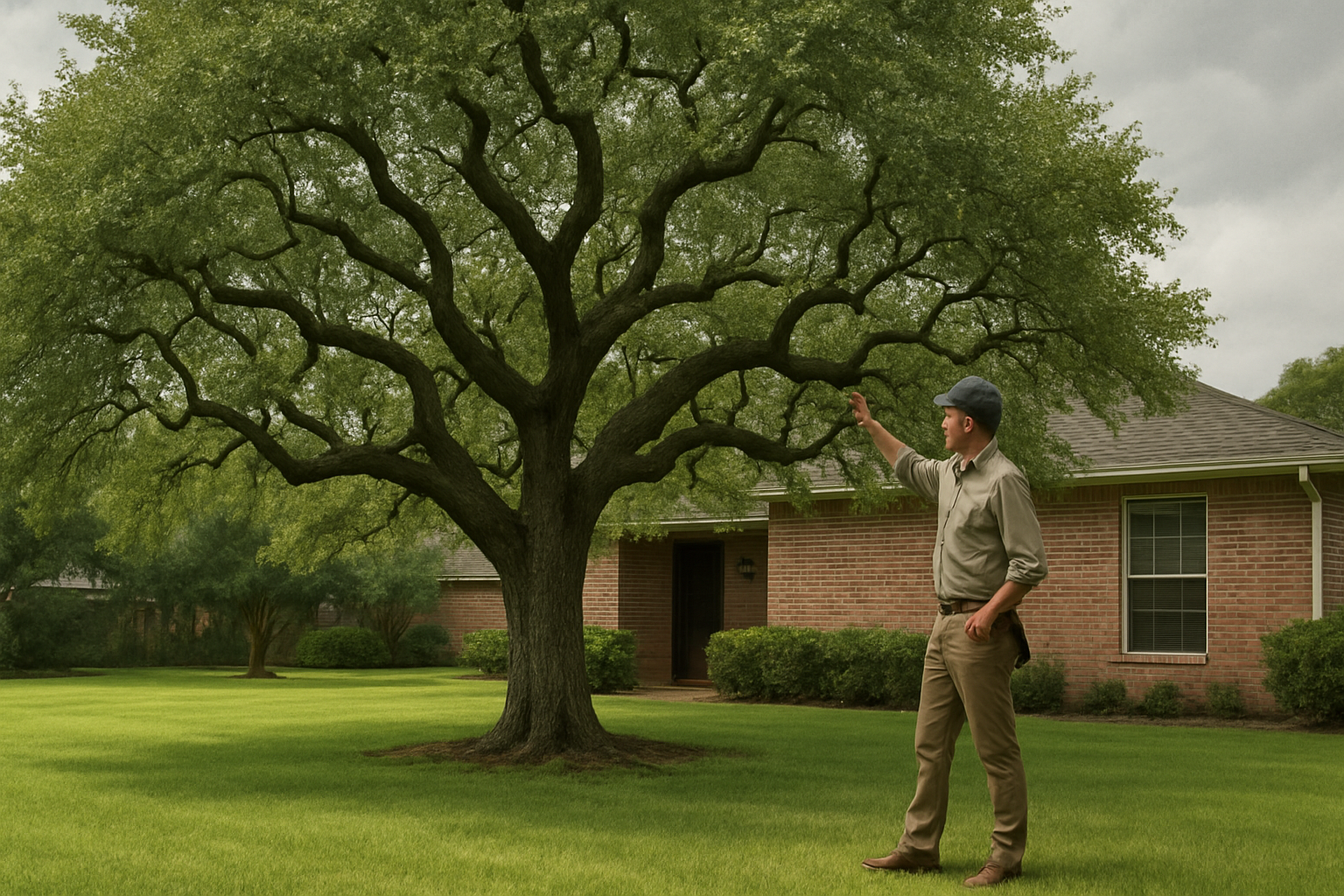
September in Houston is a transition month—but it is not exactly “quiet.” As summer heat lingers, the Gulf is still warm, humidity remains high, and late-season tropical systems can quickly send bands of heavy rain and wind across the area. For homeowners in Houston, that means now is the time to look up, walk your property, and make sure your trees are ready for fall weather.
At ArborTrue, we have seen how a healthy, well-maintained tree can ride out a storm—and how a neglected one can become a serious hazard. Broken limbs, uprooted trees, and storm-damaged canopies can put roofs, vehicles, fences, and power lines at risk. The good news is that many tree-related storm problems can be reduced with smart preparation before severe weather arrives.
Key Takeaways:
- Schedule a professional tree inspection before fall storms to identify weak limbs, decay, poor structure, and root problems.
- Prune strategically—do not over-thin or “hurricane cut” trees, which can make them weaker in high winds.
- Clear deadwood, monitor soil saturation, and keep trees away from roofs, driveways, and utility lines.
- Choose a Houston-based tree care company like ArborTrue that understands local species, clay soils, Gulf weather, and storm risk.
Why September Tree Care Matters in Houston
Houston weather in September can be unpredictable. One week may feel like peak summer, while the next brings heavy thunderstorms, tropical moisture, or strong gusts from a passing Gulf system. Even when a storm does not make direct landfall, our area can experience saturated soil, sudden wind bursts, and localized flooding.
That combination is tough on trees. When soil becomes waterlogged, tree roots can lose stability. If the canopy is dense, unbalanced, or full of dead limbs, the tree may catch more wind than it should. In many cases, storm damage is not caused by one factor—it is the result of several small problems that have been building for months or years.
Common September tree concerns in the Houston area include:
- Dead or cracked limbs hidden inside dense summer foliage
- Heavy canopies that have not been properly pruned
- Root stress from drought followed by sudden heavy rain
- Fungal issues encouraged by humidity and wet conditions
- Leaning trees in saturated clay soil
- Branches growing too close to homes, garages, fences, or service lines
Start With a Ground-Level Tree Inspection
Before fall storms pick up, walk around your property and inspect your trees from the ground. You do not need to climb, and you should never attempt to inspect near power lines. Instead, look for visible warning signs that a professional arborist should evaluate.
Pay close attention to the trunk, canopy, and root flare—the area where the trunk meets the soil. Many tree failures begin with problems that are visible before a storm ever arrives.
- Large dead branches or hanging limbs
- Cracks or splits in the trunk or major limbs
- Mushrooms or fungal growth near the base of the tree
- Fresh leaning, especially after recent rain
- Cavities, soft spots, or peeling bark
- Branches rubbing against each other or against the roof
- Soil lifting around the roots
If you notice any of these signs, it is worth scheduling a professional tree assessment. A trained eye can often tell the difference between a tree that simply needs pruning and a tree that may pose a real safety concern.
Prune for Strength, Not Just Appearance
Proper pruning is one of the best ways to prepare Houston trees for storm season. The goal is not to strip the tree bare or remove as much growth as possible. In fact, aggressive over-pruning can make a tree more vulnerable. A healthy canopy needs balance, structure, and enough foliage to support the tree’s energy production.
Storm-prep pruning should focus on:
- Removing dead, diseased, or broken branches
- Reducing excessive end weight on long limbs
- Improving clearance from roofs, gutters, and structures
- Correcting crossing or rubbing branches
- Improving overall canopy balance
- Reducing risk while preserving the tree’s natural form
In Houston, we commonly work with live oaks, water oaks, pecans, elms, pines, crepe myrtles, and palms—each with its own pruning needs. A cut that is helpful for one species may be harmful for another. That is one reason professional tree care matters.
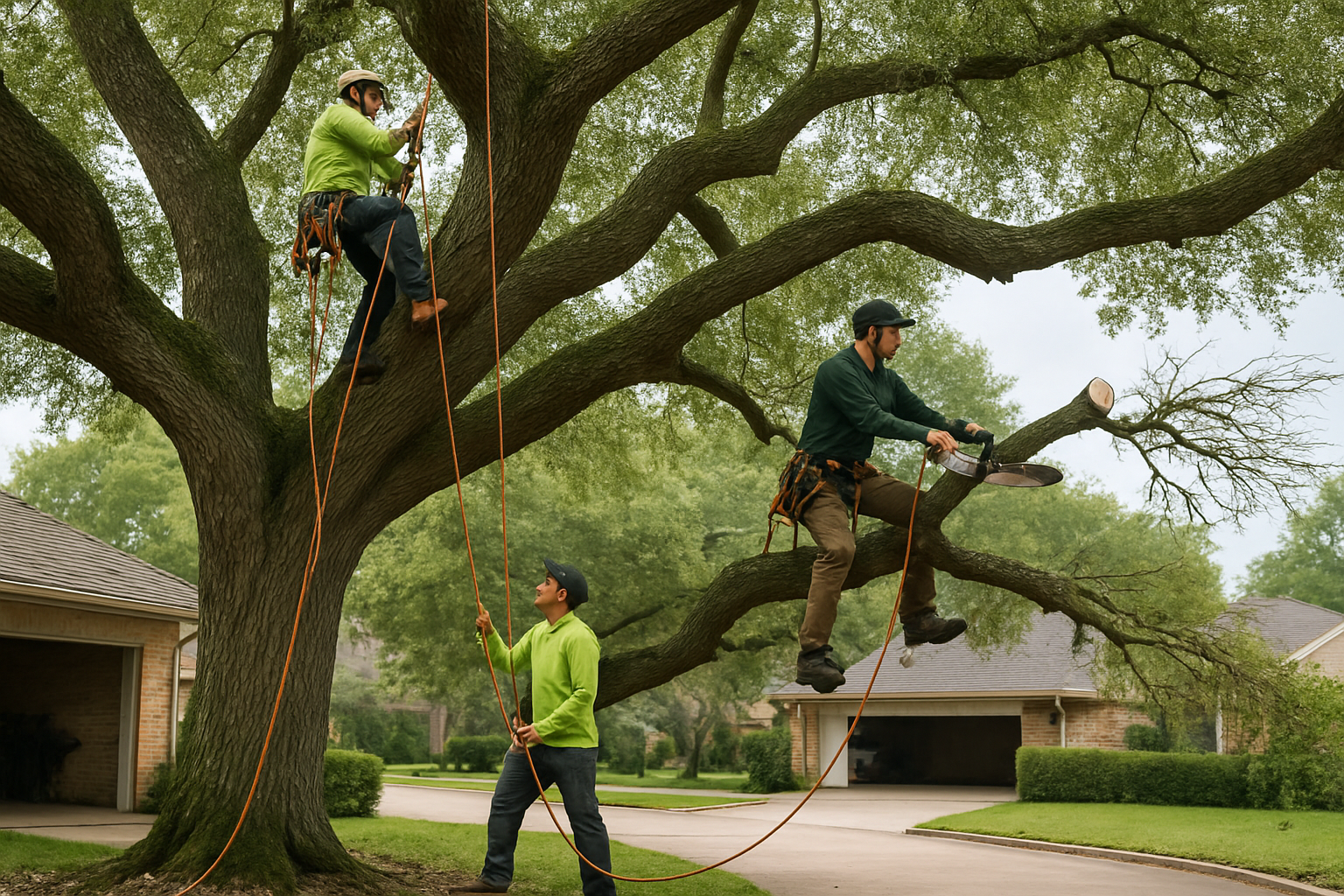
“ArborTrue helped us identify two large limbs over our roof that we never realized were compromised. They pruned the tree properly without making it look bare, and we felt much more prepared heading into storm season.”
— ArborTrue customer in West Houston
Avoid the “Hurricane Cut” Myth
One of the biggest mistakes we see before storm season is excessive canopy thinning, sometimes called a “hurricane cut.” The idea is that removing a large amount of foliage lets wind pass through the tree. Unfortunately, too much thinning can reduce the tree’s natural wind resistance and encourage weak, fast-growing sprouts later.
A properly pruned tree should still look like a tree. It should have a balanced canopy, strong branch attachments, and healthy foliage. The best storm preparation is selective and strategic—not drastic.
Watch the Soil: Houston Clay and Heavy Rain
Houston’s clay-heavy soils can shift quickly between dry and saturated conditions. After a hot summer, trees may already be stressed from heat, compacted soil, or inconsistent moisture. Then September storms can bring intense rainfall in a short period of time, softening the ground and increasing the risk of root instability.
To help your trees before heavy fall rain:
- Keep mulch around the root zone, but do not pile it against the trunk
- Avoid parking vehicles or storing materials over tree roots
- Improve drainage where water stands for long periods
- Water deeply during dry spells, especially for younger trees
- Do not add heavy soil or landscaping material over exposed roots
A 2–3 inch mulch layer can help regulate soil moisture and temperature, but mulch should be shaped like a wide ring—not a volcano. Mulch piled against the trunk can trap moisture and invite decay.
Clear Rooflines, Gutters, and Driveways
Tree limbs do not have to be dead to cause damage. Branches that hang over shingles, scrape siding, or press into gutters can become trouble during wind and rain. Even small limbs can damage roofing materials over time, while larger limbs can break during storms and create costly repairs.
Before fall weather arrives, look for branches that are:
- Touching or rubbing against the roof
- Hanging over parked vehicles or driveways
- Blocking visibility near sidewalks or streets
- Growing into gutters or roof valleys
- Interfering with outdoor lighting or security cameras
For branches near utility lines, do not attempt the work yourself. Always call the appropriate utility provider or a qualified tree care professional. Safety should come first.
Know When Removal May Be the Safest Option
At ArborTrue, we value trees. Removal is never our first recommendation when a tree can be safely preserved. However, some trees become too compromised to remain in place—especially before storm season.
Tree removal may need to be considered if a tree has severe trunk decay, major root failure, advanced disease, a dangerous lean, or repeated large limb failures. In these cases, waiting until after a storm can be more expensive and more dangerous than handling the issue proactively.
If you are unsure whether a tree can be saved, our team can assess the structure, location, species, and risk factors to help you make an informed decision.
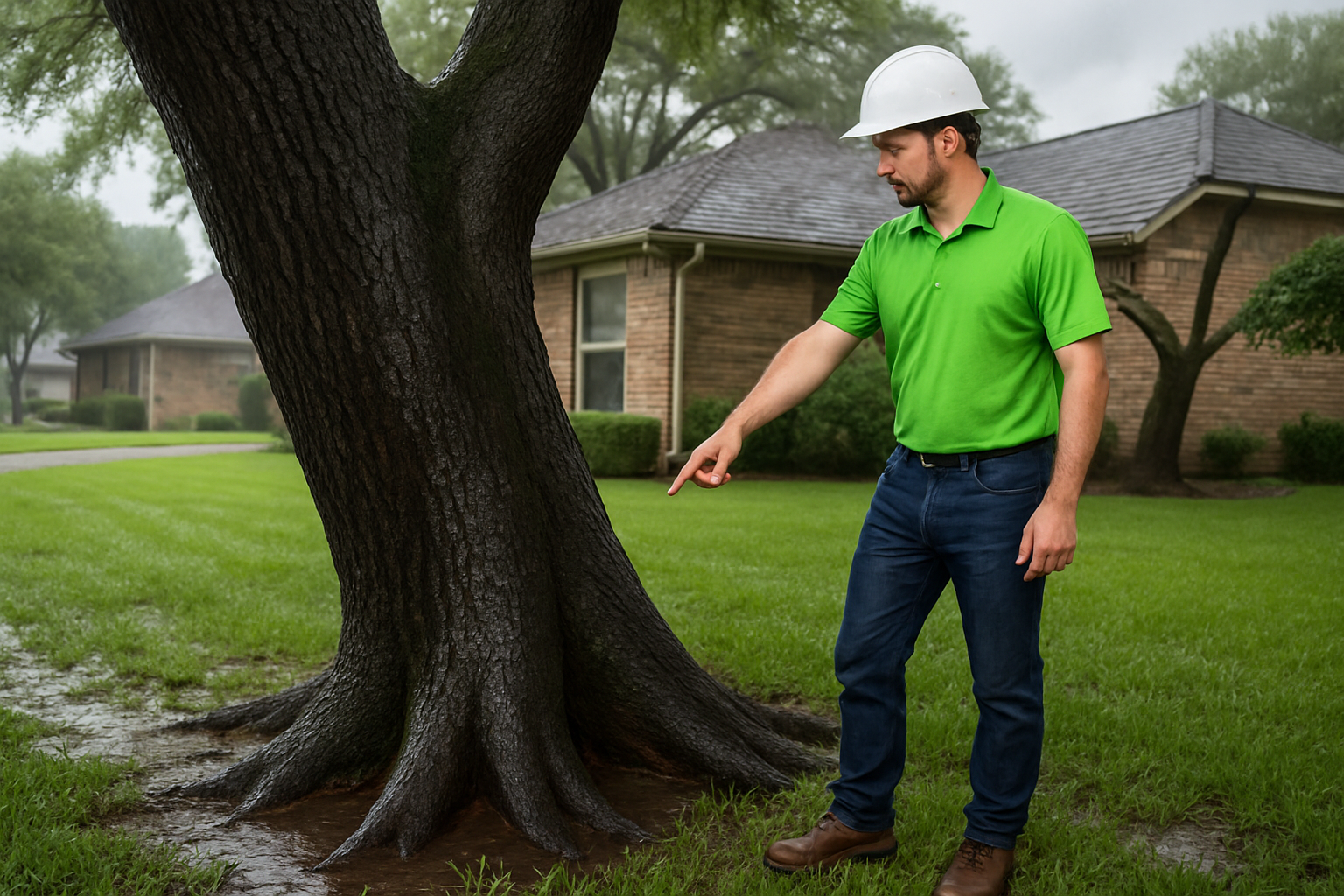
Why Choose ArborTrue for Houston Storm Prep?
As a Houston tree care company, ArborTrue understands the conditions our trees face: Gulf humidity, intense summer heat, sudden downpours, tropical wind events, compacted urban soils, and fast-growing landscapes. We are not guessing based on generic tree advice—we work with Houston trees every day.
When you choose ArborTrue, you get a team focused on safety, tree health, and honest recommendations. Our goal is to help you protect your property while preserving strong, beautiful trees whenever possible.
Homeowners choose ArborTrue because we offer:
- Local knowledge of Houston-area tree species and weather patterns
- Professional pruning focused on structure, health, and storm resilience
- Honest assessments instead of unnecessary removals
- Safe work practices around homes, fences, driveways, and landscapes
- Clear communication before, during, and after the job
- Responsive service when storm concerns cannot wait
We know that tree work can feel overwhelming, especially when storms are in the forecast. Our team is here to make the process straightforward. We can inspect your trees, explain what we see, prioritize the most urgent concerns, and complete the work with care.
Schedule Tree Storm Prep Before the Weather Turns
The best time to prepare your trees is before the next storm watch appears on the news. Once severe weather is approaching, schedules fill quickly, emergency work becomes more common, and some issues may be too risky to address safely.
September is an ideal time for Houston homeowners to take action. By pruning weak limbs, checking for structural concerns, improving clearance, and monitoring soil conditions, you can reduce risk and head into fall with greater peace of mind.
If you are concerned about a tree on your property—or if it has simply been a while since your last inspection—ArborTrue is ready to help. Contact us today to schedule a professional tree evaluation and storm-prep service for your Houston home.
Protect your trees. Protect your property. Trust ArborTrue for Houston tree care before fall weather arrives.
Why Fall Is The Right Time For Tree Trimming In Houston
Why Fall Is the Right Time for Tree Trimming in Houston
September in Houston is a turning point for trees. The worst of the summer heat is starting to ease, but hurricane season is still active, afternoon thunderstorms can roll through quickly, and many properties are dealing with branches that grew fast during the hot, humid months. As the owner of ArborTrue here in Houston, TX, I can tell you from experience: fall is one of the smartest times to schedule professional tree trimming.
Tree trimming is not just about making your yard look clean. In Houston, it is about protecting your home, improving tree health, reducing storm risk, and preparing your landscape for the months ahead. If you have heavy limbs hanging over your roof, low branches near your driveway, or trees that look thick and overgrown after summer, September is the time to take a closer look.
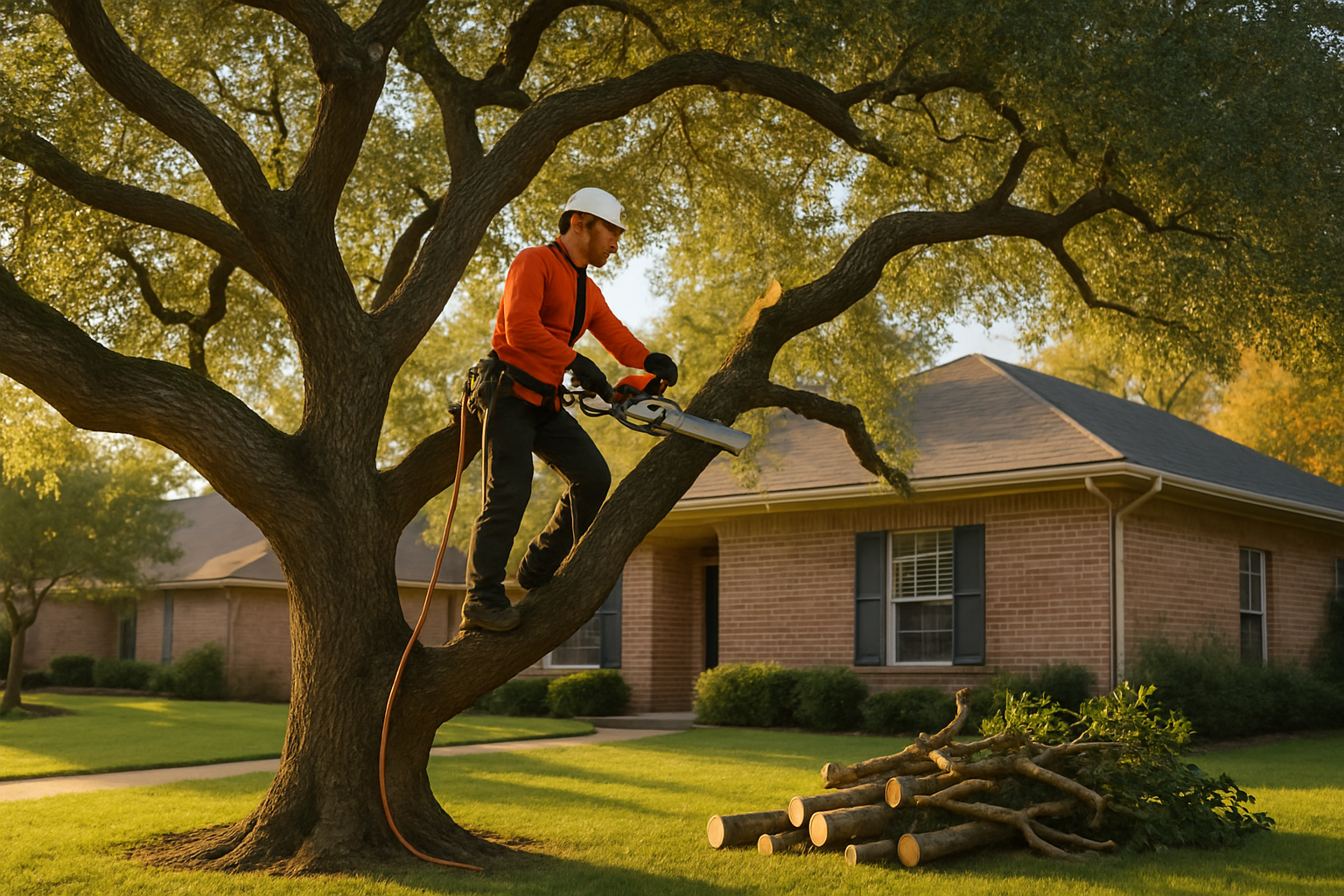
Key Takeaways:
- September is an ideal time to inspect and trim trees in Houston before stronger fall storms and cold fronts arrive.
- Proper trimming helps reduce the risk of broken limbs, roof damage, blocked driveways, and power line hazards.
- Fall trimming improves tree structure, airflow, sunlight penetration, and long-term health after Houston’s intense summer growing season.
- Choosing a local Houston tree care company like ArborTrue means you get crews who understand our climate, soil, tree species, and storm risks.
Houston’s September Weather Makes Tree Trimming a Smart Move
Houston weather in September is unique. We are not fully out of summer yet, and the humidity can still be intense. Daytime temperatures often remain warm, but the extreme stress of July and August begins to ease. That makes September a practical window for trimming many common Houston trees, including live oaks, water oaks, pecans, elms, crape myrtles, and many ornamental trees.
This time of year also gives homeowners a chance to prepare before late-season tropical weather, strong thunderstorms, and fall cold fronts bring gusty winds. A tree that looked fine during calm summer days may become a serious risk when wind and saturated soil are added to the picture.
In September, we often see:
- Fast summer growth that has made tree canopies too dense or heavy.
- Dead or cracked limbs caused by heat stress, drought periods, or storm damage.
- Branches hanging too close to roofs, gutters, fences, driveways, and walkways.
- Low limbs blocking sidewalks, street views, or outdoor living areas.
- Trees with poor airflow, increasing the chance of fungal issues in Houston’s humidity.
A professional trim in early fall can correct these problems before they become expensive damage.
Fall Tree Trimming Helps Reduce Storm Damage
Houston homeowners know that storm season is not something to take lightly. Even if a major hurricane does not make landfall, heavy rain, saturated soil, and sudden wind gusts can put stress on trees. Overgrown branches catch more wind, and weak limbs are more likely to snap.
When ArborTrue trims a tree, we are not simply cutting branches at random. We look at the structure of the tree, identify weight distribution issues, remove deadwood, and thin selected areas to improve airflow. The goal is to help the tree move with the wind instead of fighting against it.
Strategic fall trimming can help reduce the risk of:
- Large limbs falling on roofs, vehicles, patios, or fences.
- Branches scraping shingles, siding, or windows during storms.
- Clogged gutters caused by overhanging limbs and excess leaf drop.
- Blocked emergency access from fallen branches in driveways or walkways.
- Weakened trees failing because of heavy, unbalanced canopies.
No tree company can guarantee that a tree will never fail in a storm. But proper maintenance gives your trees a better chance and helps reduce preventable risks around your property.
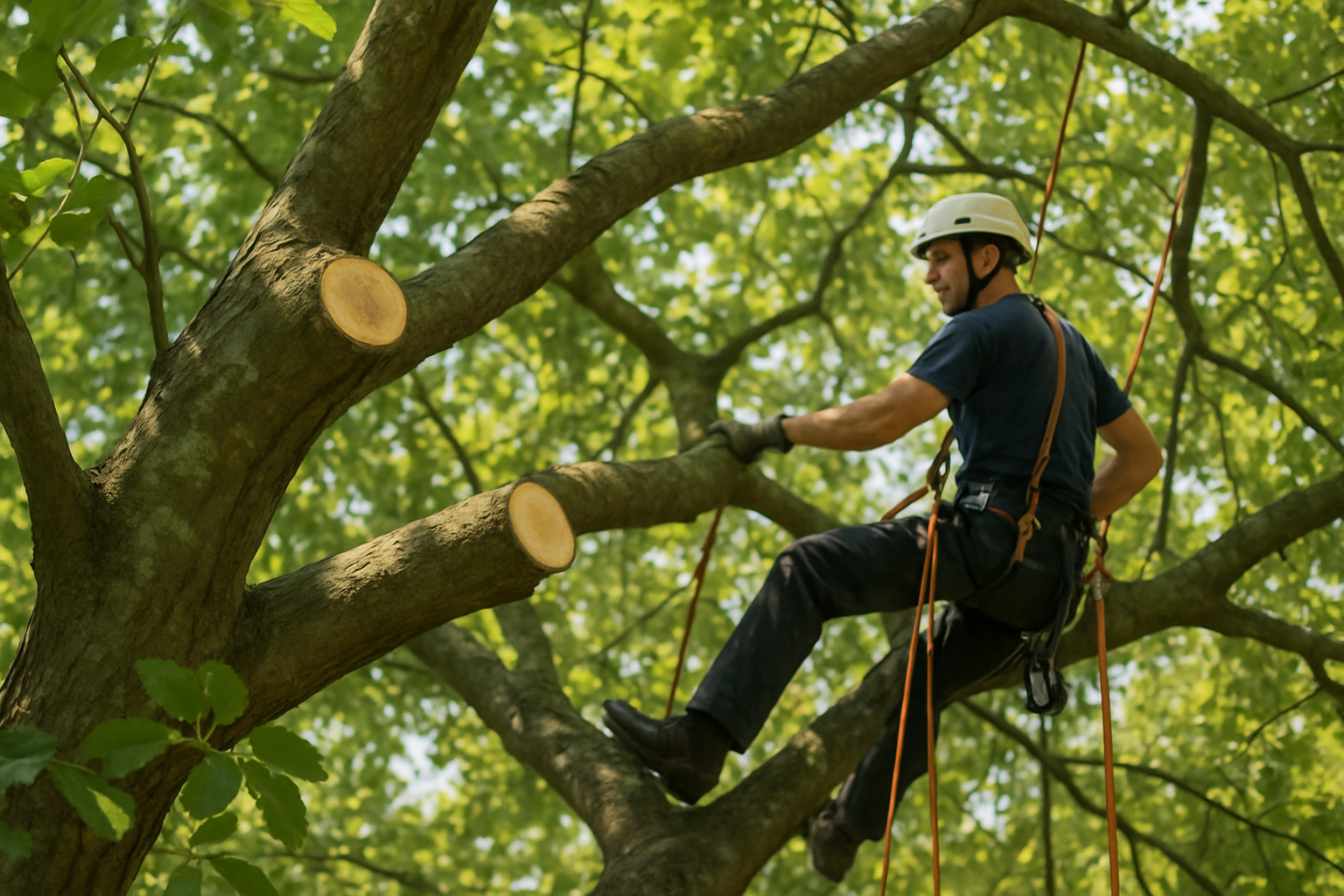
Trimming After Summer Encourages Better Tree Health
Houston summers are hard on trees. Long stretches of heat, sudden downpours, high humidity, pests, and compacted urban soils all take a toll. By September, many trees are showing signs of stress: dead tips, broken limbs, crowded branches, or uneven growth.
Fall trimming allows us to remove damaged or diseased limbs before problems spread. It also opens the canopy so sunlight and air can reach interior branches and the lawn or landscape below. Better airflow is especially important in Houston because our humidity can create ideal conditions for fungus and decay when trees are too dense.
Clean, proper pruning cuts also matter. Poor trimming can leave jagged wounds, remove too much foliage, or create long-term structural problems. That is why hiring a professional crew is important. At ArborTrue, we trim with tree health in mind, not just appearance.
“ArborTrue helped us trim two large trees before the fall storms came through. They explained which limbs were risky, cleaned up everything, and our yard looked better than it had in years.”
— Mark R., Houston homeowner
Fall Trimming Improves Curb Appeal Before the Holidays
Tree trimming also makes a noticeable difference in how your property looks. In September, many Houston homeowners are getting ready for fall gatherings, football weekends, Halloween, Thanksgiving, and more time outdoors as the weather becomes more comfortable. A clean, balanced tree canopy can transform the look of your home.
Overgrown trees can make a property feel dark, crowded, or neglected. Branches may hide architectural features, block natural light, or crowd other plants. A thoughtful trim can make your home look brighter, safer, and more inviting.
For businesses, fall trimming is just as important. Clear signage, safe parking areas, and well-maintained landscaping all influence the way customers view your property. A trimmed tree line can help your business look professional and cared for before the busy end-of-year season.
Why You Should Not Wait Until Winter or After a Storm
Many property owners wait until a branch breaks or a storm exposes a problem. Unfortunately, emergency tree work is usually more stressful, more dangerous, and sometimes more expensive than preventative trimming. Once a limb is on your roof or blocking your driveway, you have fewer options and less time to make decisions.
September gives you the advantage of planning ahead. The weather is starting to shift, but there is still time to address tree concerns before stronger fronts and heavier seasonal changes arrive. It is also a good time to inspect for summer storm damage that may not be obvious from the ground.
If you notice hanging limbs, cracks, mushrooms near the base, leaning trunks, dead sections, or branches touching your roof, do not ignore them. These are signs your tree may need professional attention.
Why Choose ArborTrue for Tree Trimming in Houston?
At ArborTrue, we live and work in the same Houston climate as our customers. We understand the challenges local trees face, from Gulf Coast humidity and clay-heavy soils to sudden storms and long growing seasons. Our approach is practical, honest, and focused on doing the job right.
When you choose ArborTrue, you can expect:
- Local knowledge: We understand common Houston tree species and how they respond to trimming in our climate.
- Safety-focused work: Tree trimming can be dangerous, especially near roofs, fences, and power lines. Our crews use professional equipment and safe work practices.
- Clean, proper cuts: We avoid careless topping and unnecessary over-pruning that can weaken trees.
- Clear communication: We explain what we recommend, why it matters, and what you can expect before work begins.
- Respect for your property: We treat your yard, home, and landscape with care and clean up after the job.
Our goal is not to sell you work your trees do not need. Our goal is to help you make the best decision for your property, your safety, and the long-term health of your trees.
Schedule Your Fall Tree Trimming Before Houston Weather Changes
If your trees grew heavily this summer, if branches are hanging over your roof, or if you are unsure whether a tree is safe, September is the right time to schedule an inspection and trimming service. Preventative tree care now can help protect your home, improve your landscape, and give you peace of mind before the next round of Houston storms.
ArborTrue is proud to serve homeowners and businesses throughout the Houston area with dependable, professional tree trimming. We know what healthy trees should look like in our region, and we know how to trim them with care.
Ready to prepare your trees for fall? Contact ArborTrue today to schedule your Houston tree trimming service and let our team help keep your property safe, beautiful, and storm-ready.
When Stump Removal Should Be Done After Emergency Service
When Should Stump Removal Be Done After Emergency Tree Service in Houston?
August in Houston has a way of testing every tree on your property. Between extreme heat, heavy Gulf moisture, sudden thunderstorms, saturated soil, and peak hurricane-season activity, trees can fail fast. One minute your yard looks normal, and the next you may be dealing with a large limb on the roof, a split trunk over the driveway, or a storm-damaged tree that has to come down immediately.
At ArborTrue, we often respond to emergency tree situations where the urgent work is obvious: remove the fallen tree, clear access, reduce hazards, and protect the home. But once the debris is gone, many homeowners are left looking at the stump and wondering, “Should I remove this now, or can it wait?”
The short answer: in many Houston emergency tree situations, stump removal should be scheduled as soon as the site is safe and accessible—often within days or weeks. Waiting too long can create pest, safety, drainage, and regrowth problems, especially during August weather.

Key Takeaways:
- Schedule stump removal soon after emergency tree service once the area is safe, especially during Houston’s hot, humid August weather.
- Do not ignore stumps after storm damage because they can attract termites, ants, fungi, and other pests common to Southeast Texas.
- Remove stumps before repairing lawns, fences, irrigation, or landscaping so you do not have to redo work later.
- Choose a local Houston tree care team that understands storm response, soil conditions, heat stress, and safe stump grinding practices.
Why Emergency Tree Service Often Leaves a Stump Behind
Emergency tree service is focused on immediate risk reduction. If a tree falls across your driveway, blocks access to your home, leans toward your roof, or breaks during a storm, the first priority is making the area safe. That may include removing hanging limbs, cutting the trunk into manageable sections, hauling debris, and clearing structures, vehicles, walkways, or utilities.
Stump removal is usually a separate step because it requires different equipment, a different setup, and careful attention to underground hazards. In Houston neighborhoods, a stump may be close to sprinkler lines, gas lines, drainage systems, landscape lighting, patios, fences, or sidewalks. Rushing stump grinding during an emergency call without checking the site properly can create avoidable damage.
That does not mean stump removal should be forgotten. It simply means it should be done at the right time, with the right plan.
So, When Should Stump Removal Be Done?
For most homeowners, stump removal should be done after the emergency hazard has been cleared and before restoration work begins. If the tree was removed because it was dead, storm-damaged, uprooted, diseased, or structurally unsafe, the stump is usually not something you want to keep long-term.
In Houston’s August conditions, we typically recommend evaluating stump removal as soon as possible after emergency service for several reasons:
- If the stump is near the home: Remove it quickly to reduce pest activity and prevent roots or decay from affecting nearby hardscapes.
- If the stump is in a high-traffic area: Schedule removal soon to prevent trips, mower damage, and safety issues.
- If the tree failed during a storm: Remove the stump before repairing turf, fencing, irrigation, or drainage.
- If the tree was diseased: Prompt removal may help reduce the spread of decay organisms or fungal activity in the surrounding area.
- If you plan to replant: Grinding the stump and preparing the area correctly gives the new tree or landscape a better start.
Every property is different, but waiting months is rarely helpful. In August, heat and moisture speed up decomposition, insect activity, and weed growth around the stump. What seems like a small leftover piece of the tree can quickly become a bigger nuisance.
August in Houston: Why Weather Matters
Houston’s late summer weather is a major reason stump removal should not be delayed. August brings intense heat, high humidity, afternoon thunderstorms, and the ongoing threat of tropical systems. When a stump sits in warm, damp soil, it becomes an inviting environment for insects and fungi.
Moisture is especially important. After a heavy rain, water can collect around the stump and root flare. If your yard already has drainage challenges, a decaying stump can hold moisture and contribute to muddy, uneven areas. That can make mowing harder and create soft spots that get worse over time.
Heat also affects your lawn. Stumps left in place can interfere with turf recovery after a storm. If heavy equipment, falling limbs, or debris damaged your grass, you may want to level and restore the area. Removing the stump first prevents having to tear up your repaired lawn later.

Problems Caused by Leaving a Stump After Emergency Service
Some homeowners consider leaving a stump because it does not seem urgent once the tree is gone. But stumps can create several problems, particularly after storm-related tree removal.
- Pest attraction: Decaying wood can attract termites, carpenter ants, beetles, roaches, and other pests that are active in Houston’s warm climate.
- Fungal growth: Mushrooms and decay fungi may appear around old stumps, especially after rain and humidity.
- Trip hazards: A low stump can be easy to miss, especially when grass grows around it.
- Lawn equipment damage: Mower blades can be damaged by stumps, exposed roots, or woody debris.
- Unwanted regrowth: Some tree species may send up sprouts from the stump or roots, creating ongoing maintenance issues.
- Landscape delays: You cannot fully restore the area, install sod, add a bed, or replant properly until the stump is addressed.
In emergency situations, there may also be hidden root plate disruption. If a tree partially uprooted before it was cut down, the remaining stump and roots may leave the ground uneven or unstable. Grinding and cleanup help make the area safer and easier to repair.
“After the storm, ArborTrue removed the broken tree first so our driveway was usable again. A few days later they came back for the stump, and that made it possible for us to fix the yard and sprinkler line without doing the work twice.”
— Memorial-area Houston homeowner
Stump Grinding vs. Full Stump Removal
Most residential stump removal after emergency service is handled through stump grinding. This process uses specialized equipment to grind the stump down below grade, turning the wood into chips. The area can then be backfilled, leveled, and prepared for lawn or landscape restoration.
Full stump removal, where the entire stump and major roots are dug out, is more invasive. It may be necessary in certain construction or replanting situations, but for most homeowners, stump grinding is the practical choice. It is faster, cleaner, and less disruptive to the yard.
At ArborTrue, we look at the stump location, tree species, root structure, nearby utilities, access points, soil moisture, and your future plans for the area before recommending the best option.
When You Might Need to Wait
Although prompt stump removal is usually best, there are times when waiting a short period makes sense. Safety always comes first. If the ground is too saturated after heavy rain, equipment access could damage the lawn or create ruts. If utility lines need to be marked, that should happen before grinding. If the stump is close to a damaged fence, patio, or structure, other repairs may need coordination.
You may need to wait briefly if:
- The soil is extremely wet after a major August thunderstorm or tropical downpour.
- Underground utilities, irrigation, or landscape lighting need to be located.
- Storm debris is still blocking safe equipment access.
- The stump is near structural damage that must be stabilized first.
The key is not to ignore the stump. A short, planned delay is different from leaving it in place indefinitely.

Why Choose ArborTrue After Emergency Tree Service?
As a Houston-based tree care company, ArborTrue understands what local properties go through in August. We know how quickly storms can roll in, how clay-heavy soils respond to heavy rain, and how heat stress can weaken trees before a wind event ever arrives. Our job is not just to remove what fell—it is to help you make the next smart decision for your property.
Customers choose ArborTrue because we bring a practical, safety-first approach to every emergency and follow-up stump removal project. We do not believe in one-size-fits-all tree work. We evaluate the site, explain your options, and help you prioritize what needs to happen now versus what can be scheduled later.
When you call ArborTrue, you can expect:
- Local Houston experience with storm-damaged trees, emergency removals, and August weather challenges.
- Clear communication about timing, access, cleanup, and what stump grinding will involve.
- Safety-focused work around homes, fences, driveways, irrigation, and utility areas.
- Professional equipment suited for efficient stump grinding and site cleanup.
- Honest recommendations based on your yard, your tree, and your long-term plans.
Plan the Cleanup Before the Next Storm
In Houston, August is not the time to leave loose ends in your yard. A stump left behind after emergency tree service may not look as dramatic as a fallen tree, but it can still cause problems. Removing it promptly helps reduce pest risk, improves safety, supports lawn repair, and gives you a cleaner property before the next round of heavy rain or wind.
If ArborTrue has already helped with an emergency tree removal, or if another company cleared the tree but left the stump behind, we can assess the site and recommend the right next step. Our goal is to help you move from emergency response to full recovery with confidence.
Need stump removal after storm or emergency tree service in Houston? Contact ArborTrue today to schedule an evaluation and get your yard ready for the rest of hurricane season.
Best Ways To Protect Trees During Houston Drought Conditions
Best Ways to Protect Trees During Houston Drought Conditions in August
August in Houston can be tough on trees. Between triple-digit heat indexes, long stretches without meaningful rainfall, compacted clay soils, and high humidity that stresses both people and plants, your trees may be working harder than you realize just to survive. At ArborTrue, we see it every summer: live oaks dropping leaves early, young trees wilting by mid-afternoon, pines browning from the top down, and stressed trees becoming more vulnerable to pests and disease.
The good news is that many drought-related tree problems can be prevented or reduced with the right care plan. As a Houston-based tree care company, ArborTrue understands our local climate, soil conditions, tree species, and seasonal risks. Here are the best ways to protect your trees during Houston drought conditions—and why calling a professional can save you money, stress, and possibly the tree itself.
Key Takeaways:
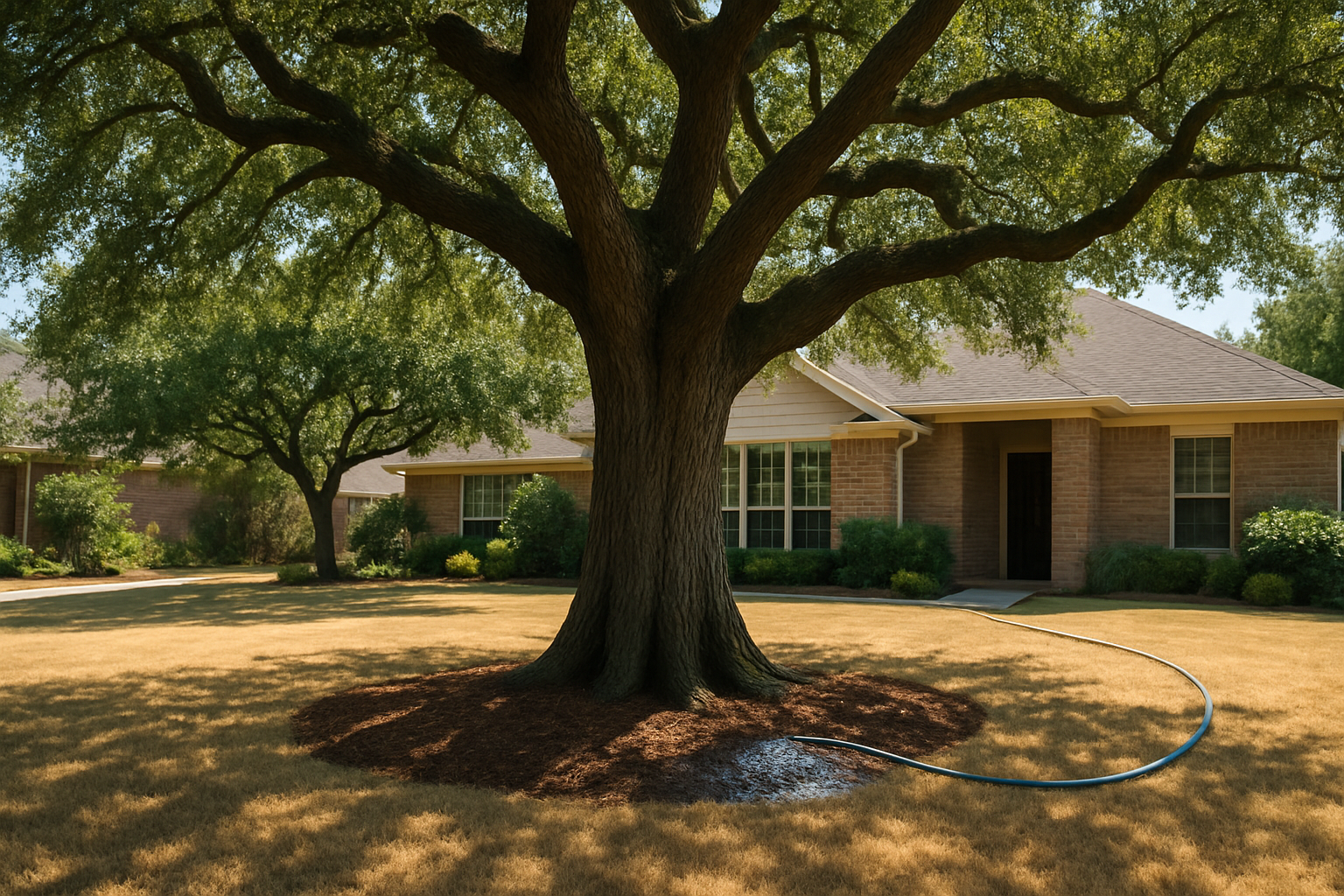
- Water deeply, not daily: Houston trees benefit most from slow, deep watering near the drip line, especially during August drought conditions.
- Mulch matters: A proper mulch ring helps retain soil moisture, regulate root temperature, and reduce competition from grass.
- Watch for stress signs: Wilting leaves, early leaf drop, browning edges, and branch dieback can indicate drought damage or deeper health issues.
- Avoid unnecessary pruning: Heavy pruning during drought can increase stress unless dead or hazardous limbs need to be removed.
- Call ArborTrue early: Professional inspection can identify drought stress, pests, disease, and structural concerns before they become costly emergencies.
Why August Drought Conditions Are So Hard on Houston Trees
Houston summers are unique. Even when humidity is high, trees can still experience drought stress if soil moisture is low. Our heavy clay soils can make the problem worse. Clay may hold water well after a rain, but during dry periods it can become compacted and hard, making it difficult for oxygen and moisture to reach tree roots.
August weather in Houston often brings:
- Extended periods of extreme heat
- High evaporation rates from soil and turf
- Little or inconsistent rainfall
- Heat stress from pavement, driveways, and buildings
- Dry, compacted soil around root zones
- Increased pest activity on weakened trees
When trees do not receive enough water, they may close their leaf pores to conserve moisture. This slows growth and reduces the tree’s ability to cool itself. Over time, drought stress can weaken the tree’s natural defenses, making it more likely to suffer from borers, fungal issues, root damage, or limb failure.
Water the Right Way: Deep and Slow
One of the biggest mistakes homeowners make during drought is watering too lightly. A quick spray from a sprinkler may green up the lawn, but it usually does not reach the deeper roots of your trees. Trees need slow, deep watering that soaks the soil several inches down.
For established trees, focus watering near the drip line—the area under the outer edge of the canopy. This is where many of the active feeder roots are located. Avoid concentrating all the water right against the trunk, which can lead to rot or other problems.
Helpful watering tips include:
- Use a slow-running hose, drip irrigation, or soaker hose.
- Water early in the morning to reduce evaporation.
- Soak the soil deeply once or twice per week during severe dry spells.
- Check soil moisture 4–6 inches below the surface before watering again.
- Give newly planted trees extra attention because their root systems are not fully established.
As a general rule, younger trees need more frequent watering, while mature trees need deeper, wider watering. However, every property is different. Soil type, drainage, sun exposure, tree species, and nearby concrete all affect how much water your tree needs.
“ArborTrue helped us understand that our oak tree wasn’t dying—it was drought stressed and being watered in the wrong place. After changing our watering and adding proper mulch, the tree started looking healthier within weeks.”
— Houston homeowner in the Memorial area
Mulch Is One of the Best Drought Defenses
If you want a simple and effective way to help your trees survive Houston’s August heat, add mulch. A proper mulch ring acts like insulation for the soil. It helps retain moisture, reduces temperature swings, and limits competition from grass and weeds.
However, mulch must be installed correctly. Piling mulch against the trunk in a “mulch volcano” can trap moisture against the bark and create conditions for decay, insects, and disease.
For best results:
- Apply mulch 2–4 inches deep around the tree.
- Keep mulch several inches away from the trunk.
- Extend the mulch ring as wide as practical, ideally toward the drip line.
- Use natural wood mulch rather than rock, which can increase soil heat.
- Refresh mulch as it breaks down, but avoid creating an overly thick layer.
At ArborTrue, we often recommend mulch as part of a larger tree health strategy because it is affordable, effective, and especially helpful during drought. It also protects roots from mower and string trimmer damage, which is a common issue in Houston yards.
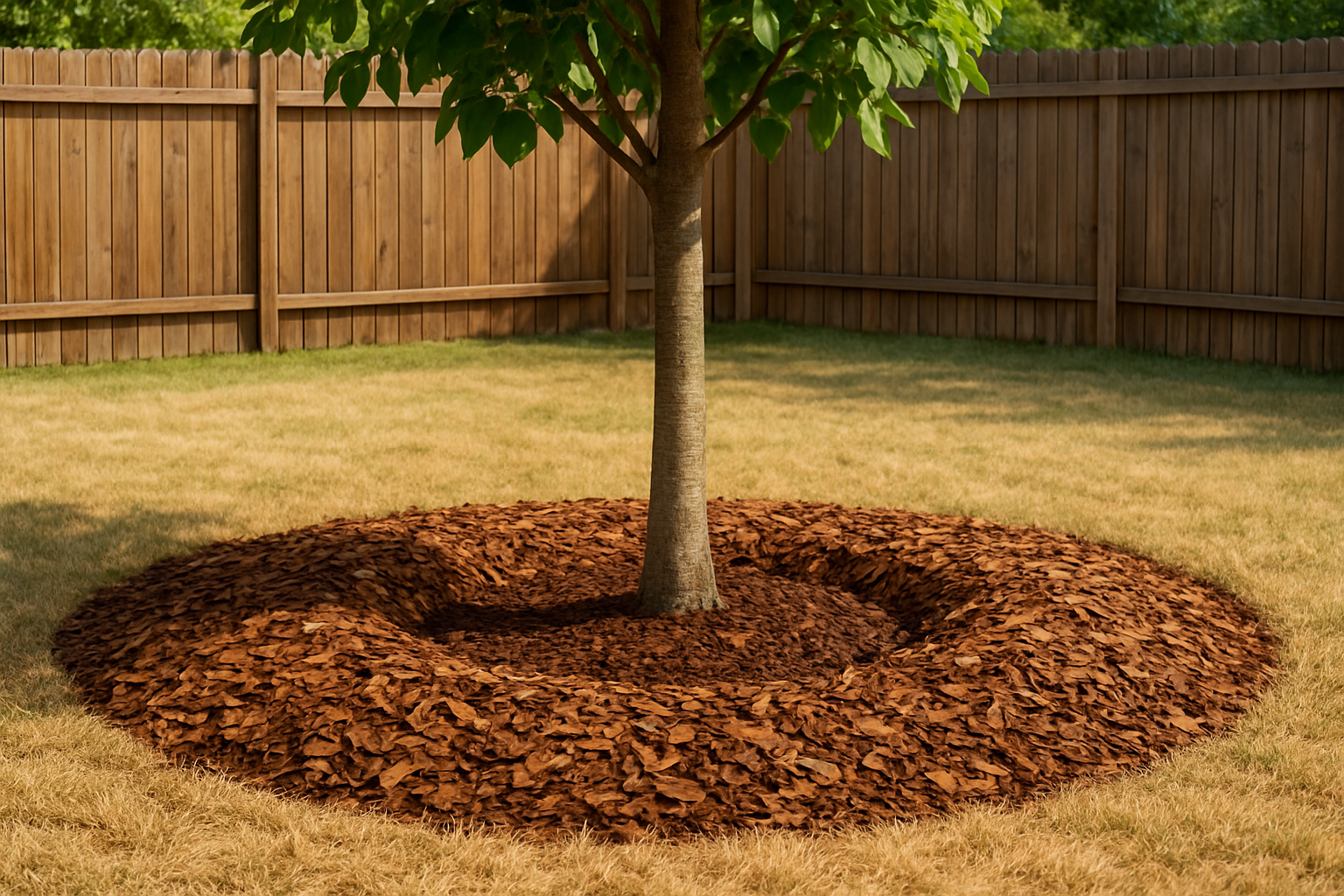
Know the Signs of Drought Stress
Trees often show warning signs before serious decline occurs. During August, it is important to walk your property and look closely at your trees, especially older trees, newly planted trees, and trees near driveways, sidewalks, or streets.
Common drought stress symptoms include:
- Leaves wilting, curling, or folding during the day
- Brown or crispy leaf edges
- Yellowing leaves or early leaf drop
- Thinning canopy or sparse growth
- Dead twigs or branch tips
- Cracks in dry soil around the root zone
- Premature acorn, seed, or fruit drop
Some of these symptoms may look like simple heat stress, but they can also indicate pest problems, root damage, disease, or structural decline. That is why a professional tree inspection is valuable. ArborTrue can help determine whether your tree needs improved watering, soil care, selective pruning, pest management, or another solution.
Be Careful With Pruning During Drought
Pruning can improve tree structure and safety, but timing matters. During drought conditions, heavy pruning can add stress because the tree is already using its energy reserves to survive. Removing too much live canopy can reduce the tree’s ability to produce food and protect itself from intense sun.
That does not mean all pruning should wait. Dead, broken, diseased, or hazardous branches should be addressed promptly, especially during hurricane season. August is also a time when sudden thunderstorms can roll through Houston, and weakened limbs may fail during high winds.
ArborTrue takes a careful, tree-first approach. We do not over-prune for appearance at the expense of tree health. Instead, we evaluate the tree’s condition, species, structure, and risk level before recommending any cuts.
Protect Roots From Heat and Compaction
Tree roots are often more shallow than many homeowners think. A large portion of absorbing roots may be located in the top 12–18 inches of soil. During drought, these roots are vulnerable to heat, dryness, and compaction.
To protect your tree’s root zone:
- Avoid parking vehicles under trees.
- Limit heavy foot traffic around exposed roots.
- Do not pile soil, gravel, or construction materials over roots.
- Keep lawn equipment from damaging surface roots and trunk flare.
- Consider professional soil care if the ground is severely compacted.
Root damage is one of the most common hidden causes of tree decline. Once the root system is compromised, the canopy may show symptoms weeks or months later. ArborTrue can assess root zone conditions and recommend practical steps to improve tree resilience.
Do Not Ignore Pests and Disease in Drought-Stressed Trees
Drought-stressed trees are more attractive to certain insects and more vulnerable to disease. When a tree is healthy, it can often defend itself. When it is stressed, those defenses weaken.
In Houston, we commonly watch for secondary issues such as borers, scale insects, fungal pathogens, and decay in already weakened trees. Brown leaves are not always “just drought.” Sometimes drought opens the door to problems that need professional attention.
If you notice unusual holes in bark, sawdust-like material, oozing sap, mushrooms near the base, large dead limbs, or rapid canopy decline, contact ArborTrue for an inspection. Early action can make a major difference.
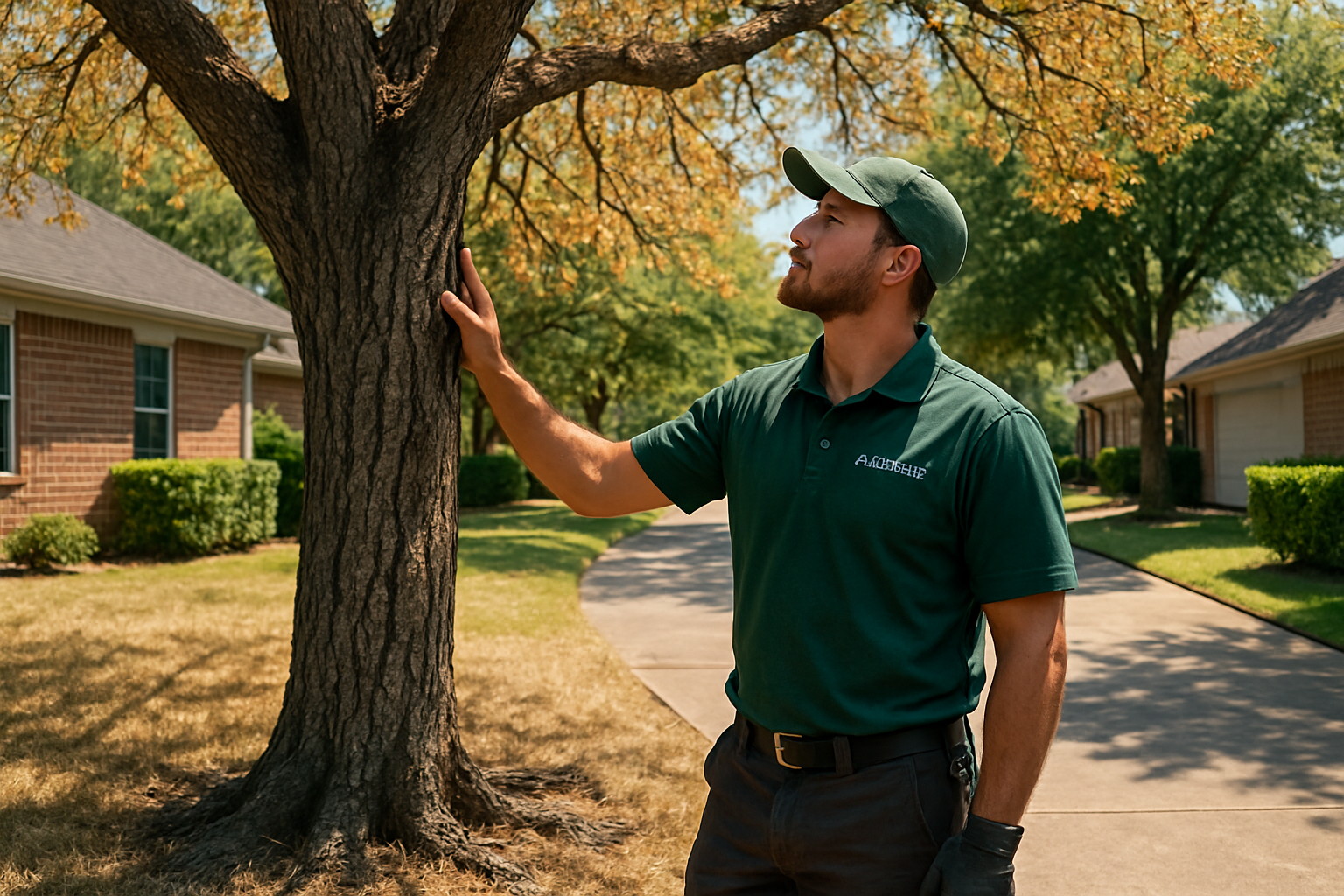
Why Choose ArborTrue for Houston Tree Care?
When your trees are stressed by heat and drought, you need more than a quick guess. You need local experience, honest recommendations, and skilled tree care. ArborTrue is based in Houston, TX, and we understand the challenges trees face in our region—from August drought stress to storm damage, compacted clay soil, and pest pressure.
Customers choose ArborTrue because we provide:
- Local knowledge: We understand Houston weather patterns, soils, and common tree species.
- Tree-focused recommendations: Our goal is to preserve and protect healthy trees whenever possible.
- Safety-minded service: We identify hazardous limbs and structural concerns before they become emergencies.
- Clear communication: We explain what we see, what it means, and what options make sense.
- Professional results: From pruning to tree health assessments, we approach every property with care.
Your trees add shade, beauty, property value, and comfort to your home—especially during a hot Houston summer. Protecting them during drought is an investment in your landscape and your safety.
Schedule a Drought Stress Tree Inspection Today
If your trees are dropping leaves early, looking thin, showing brown edges, or simply not handling the August heat well, ArborTrue is here to help. The sooner drought stress is addressed, the better chance your tree has to recover and stay strong through the rest of the season.
Contact ArborTrue in Houston, TX today to schedule a professional tree inspection or tree care service. We will help you understand what your trees need now—and how to protect them before the next heat wave or storm arrives.
Signs A Tree Is Unsafe During Hurricane Season
Signs a Tree Is Unsafe During Hurricane Season in Houston
August in Houston brings a challenging mix for trees: extreme heat, heavy humidity, pop-up thunderstorms, and the peak stretch of hurricane season approaching fast. One week the soil is baked hard from triple-digit temperatures; the next, a tropical system can dump inches of rain and bring strong Gulf Coast winds. For homeowners, that combination can turn a stressed tree into a serious safety risk.
At ArborTrue, we help Houston property owners identify hazardous trees before they become emergency situations. A tree that looks “fine” from the street may have hidden decay, weak roots, or storm-damaged limbs that can fail when hurricane winds arrive. Knowing the warning signs now can protect your home, vehicles, fences, power lines, and most importantly, your family.
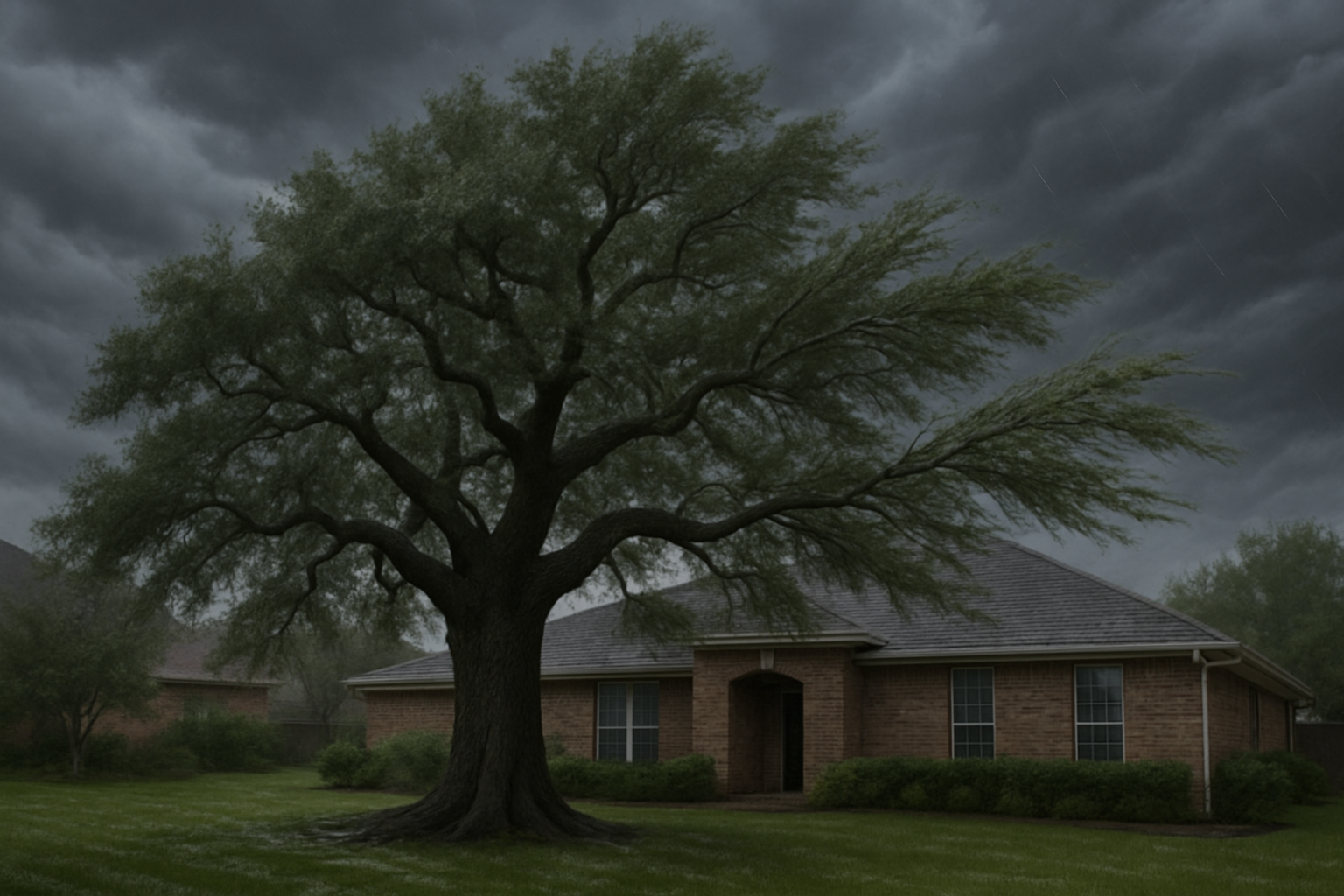
Key Takeaways:
- Inspect trees before storms for leaning trunks, cracked limbs, dead branches, fungus, and exposed roots.
- Houston’s August heat, sudden heavy rain, and hurricane winds can quickly worsen existing tree problems.
- Do not attempt to remove large hanging limbs or storm-damaged trees yourself—call a professional tree service.
- ArborTrue provides local, safety-focused tree evaluations, pruning, removals, and storm preparation services in Houston.
Why August Weather in Houston Is Hard on Trees
Houston trees are tough, but August pushes them to their limits. High temperatures increase water stress, especially for trees growing near driveways, sidewalks, compacted soil, or new construction. When a tree is already stressed from drought-like conditions, its branches may become brittle and more likely to break.
Then, when tropical moisture moves in, heavy rain can saturate the soil quickly. Soft, wet soil reduces root stability, especially for trees with shallow root systems or root damage. Add strong winds from a tropical storm or hurricane, and a tree that has stood for decades can suddenly uproot or split.
Common Houston-area trees such as live oaks, water oaks, pecans, pines, elms, and sweetgums can all experience storm-related failures if they are weakened by disease, decay, poor structure, or past damage.
Top Signs a Tree May Be Unsafe Before a Hurricane
Before severe weather arrives, take a slow walk around your property and look closely at each tree. You do not need to be an arborist to spot many of the warning signs. If you see any of the following, it is time to call ArborTrue for a professional assessment.
- A new or worsening lean: Some trees naturally grow at an angle, but a sudden lean or soil lifting on one side may signal root failure.
- Cracks in the trunk: Deep vertical cracks, splits, or seams can indicate structural weakness.
- Dead or hanging branches: Large dead limbs can break loose in high winds and cause major damage.
- Fungus or mushrooms at the base: Fungal growth can be a sign of internal decay or root rot.
- Hollow areas or cavities: A hollow trunk does not always mean a tree must be removed, but it does need expert evaluation.
- Exposed or damaged roots: Roots cut by construction, erosion, or lawn equipment can reduce stability.
- Branches touching the roof: Limbs scraping shingles or hanging over your home are a major concern before storms.
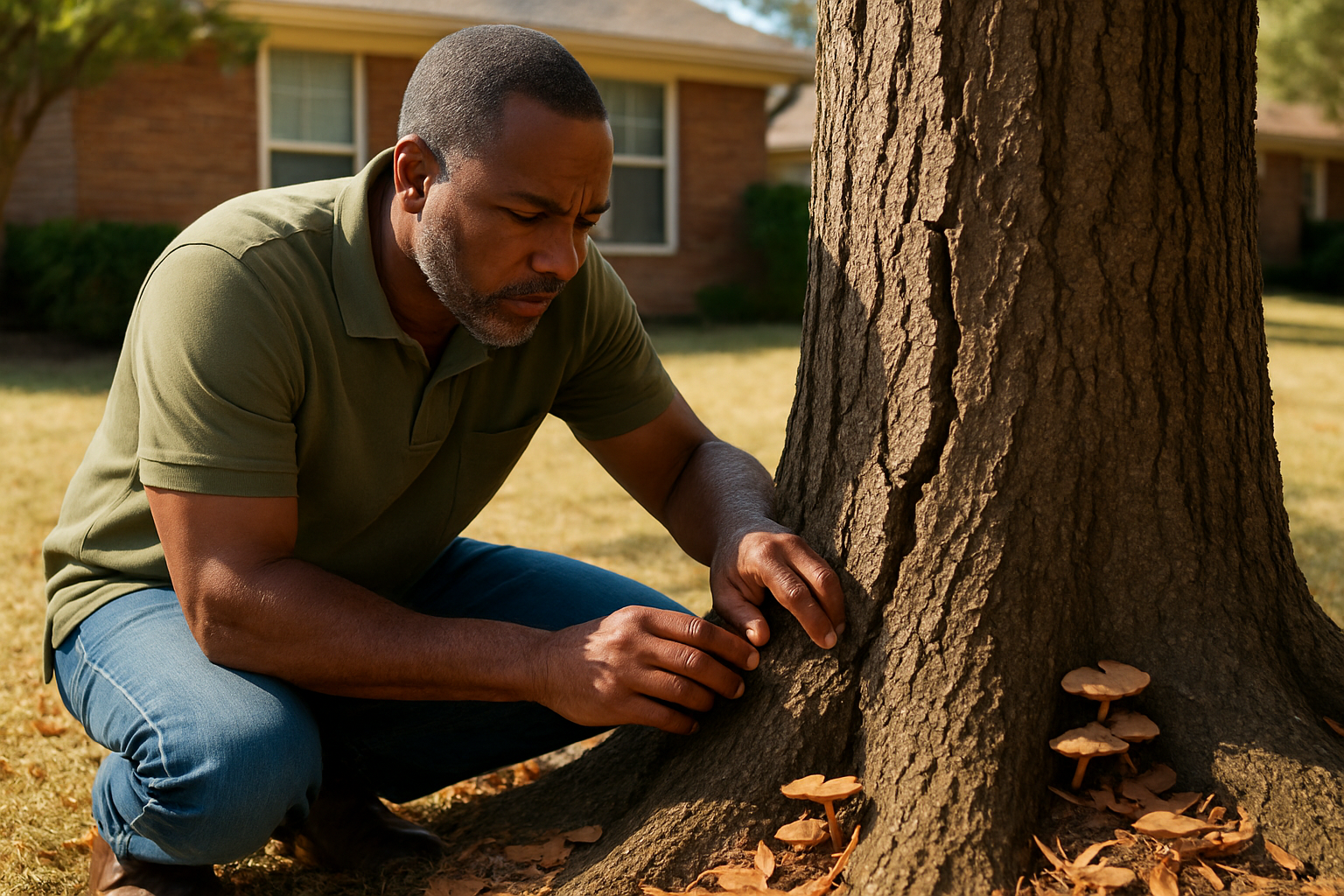
Dead Branches Are More Dangerous Than They Look
In calm weather, a dead limb may seem harmless. During hurricane season, it becomes a projectile. Even a medium-sized branch can damage a roof, break a window, dent a vehicle, or injure someone walking below. In Houston neighborhoods with closely spaced homes, one unsafe tree can affect multiple properties.
Deadwood is especially common after long stretches of heat. You may notice branches with no leaves, peeling bark, or tips that snap easily. If dead limbs are high in the canopy, do not try to remove them with a ladder or pole saw. Wet ground, unstable branches, and sudden wind gusts can make DIY trimming extremely dangerous.
Watch for Root Problems After Heavy Rain
Roots are the anchor system of a tree, but many root problems are hidden underground. After heavy August rain, look around the base of your trees. If the soil appears raised, cracked, or mounded on one side, the root plate may be shifting. This can happen when strong wind rocks a tree back and forth in saturated soil.
Other root warning signs include:
- Standing water around the trunk for long periods
- Soil pulling away from the base of the tree
- Large roots that are cut, rotting, or lifting
- Sudden leaning after a storm
- Canopy thinning, yellowing leaves, or early leaf drop
Because Houston clay soils can expand and contract dramatically between dry heat and heavy rain, root stress is something homeowners should take seriously during hurricane season.
“ArborTrue came out before a tropical storm and found a large cracked limb over our driveway that we had not noticed. They removed it safely, and two days later the winds were strong enough that it absolutely could have fallen.”
— Melissa R., Houston homeowner
When a Tree Is Too Close to Your Home
Large trees provide shade, curb appeal, and energy savings during hot Houston summers. But when limbs grow too close to your roof, gutters, chimney, or service line, the risk increases during hurricane season. Branches can scrape shingles, clog gutters with debris, or break and fall directly onto your home.
A professional pruning plan can reduce wind resistance in the canopy, remove weak limbs, and create safe clearance around structures. The goal is not to “top” the tree or strip it bare. In fact, improper cutting can make a tree weaker. ArborTrue uses careful pruning practices that support tree health while improving safety.
Should You Remove a Tree Before Hurricane Season?
Not every risky-looking tree needs to be removed. Many can be improved with proper pruning, cabling, deadwood removal, or soil care. However, removal may be the safest option if a tree is severely decayed, unstable, split, diseased, or leaning toward a home or high-traffic area.
You should consider scheduling a tree evaluation if:
- The tree leans toward your house, garage, pool, or driveway
- Large sections of the canopy are dead
- The trunk has major cracks, cavities, or decay
- The tree was damaged in a recent storm
- Roots are lifting or the ground is heaving
- You are unsure whether the tree is structurally sound

Why Choose ArborTrue for Hurricane Season Tree Care?
As a Houston-based tree care company, ArborTrue understands the local weather, soil conditions, and tree species that affect properties across our area. We are not just looking at a tree—we are looking at how that tree may behave when Gulf Coast weather turns severe.
When you call ArborTrue, you get a team that focuses on safety, honest recommendations, and professional workmanship. We evaluate the tree’s structure, canopy, root zone, location, and potential targets such as homes, fences, vehicles, and power lines. Then we explain your options clearly so you can make the right decision for your property.
Customers choose ArborTrue because we offer:
- Local Houston experience: We understand hurricane-season risks specific to Southeast Texas.
- Safety-first service: Tree work is dangerous, especially around homes and utilities, and we use proper equipment and techniques.
- Honest guidance: If a tree can be saved, we will tell you. If it needs removal, we will explain why.
- Storm preparation: We help reduce hazards before bad weather arrives.
- Emergency response: When storms cause damage, our team can help with cleanup and hazardous tree situations.
Prepare Your Trees Before the Next Storm
Hurricane season is not the time to ignore tree concerns. In Houston, August weather can change quickly, and waiting until a storm is in the Gulf often means tree companies are already booked. The best time to address unsafe trees is before the forecast becomes urgent.
If you notice dead limbs, cracks, leaning, fungus, root movement, or branches hanging over your home, contact ArborTrue for a professional tree inspection. A proactive visit now can prevent costly damage later and give you peace of mind when the next storm rolls in.
ArborTrue is here to help Houston homeowners protect their properties with expert tree trimming, tree removal, storm preparation, and emergency tree services. If you are concerned about a tree on your property, reach out today and let our team take a look before hurricane winds put it to the test.